

Your First National Grid Substation Job: From NG Person to NG Competent Person
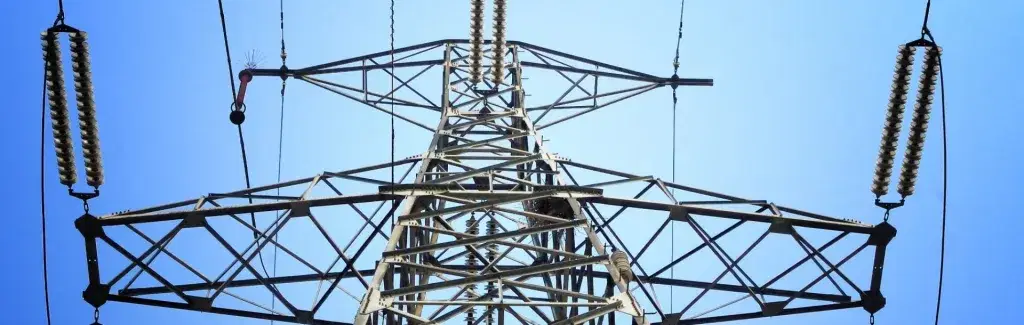
If you’re starting work on a National Grid substation, understanding the National Grid substation training requirements is an important first step. One of the most common calls we get goes something like this: “We’ve won a job on a National Grid Electricity Transmission (NGET) substation, we start in three weeks. What training do the lads […]
EUSR CSCS Cards Explained: Which Card Do You Need?
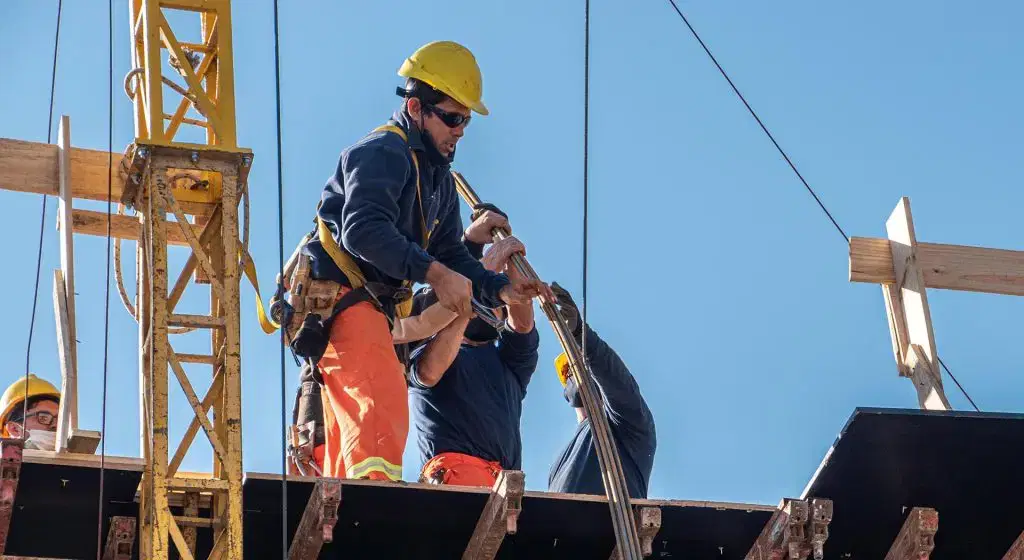
Working in the utilities or construction industry often means needing the right training, registration and evidence of competence before you can access a site. But with several types of CSCS card available, understanding which one applies to your role can sometimes be confusing. From 1 October 2026, changes to the EUSR CSCS card process mean […]
EUSR Earthing, Brazing and Exothermic Welding Training: Practical Skills for Safer Electrical Work
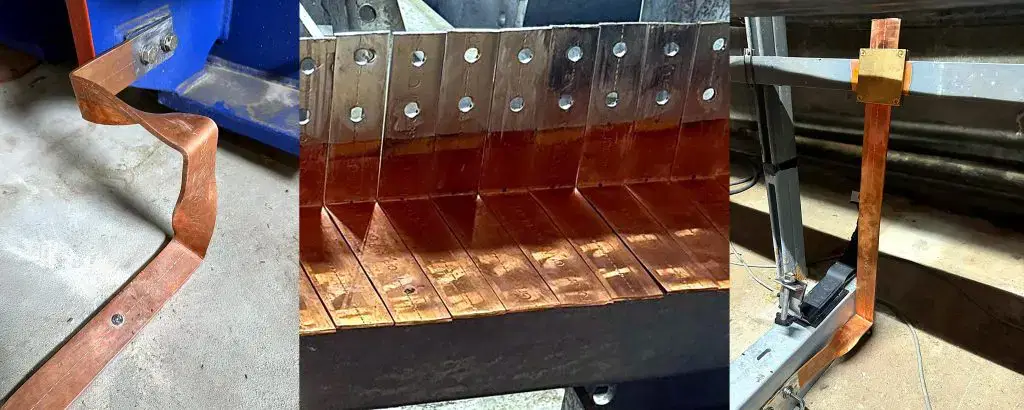
Effective earthing is fundamental to electrical safety. In the utilities, construction and electrical infrastructure sectors, correctly installed earthing and bonding systems help protect people, equipment and installations by providing a safe path for fault current. Anyone who installs, repairs or inspects earthing systems needs a sound understanding of the principles involved, alongside the practical skills […]
How to Become a CDAE or Lead CDAE on National Grid Projects (SR188.12)
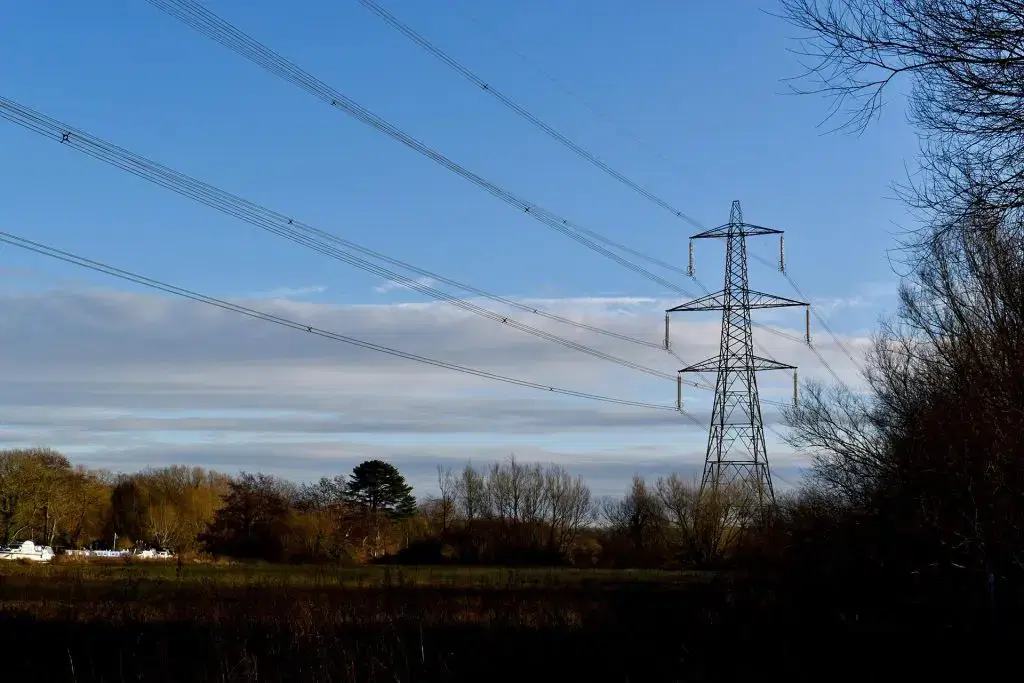
Updated October 2026 using NG/ET/SR188, NG/ET/SR163 and the SR188.12 appointment form If you want to know how to become a Contractor Design Approval Engineer (CDAE) or Lead CDAE on National Grid Electricity Transmission (NGET) projects, the first thing to understand is the level of accountability. The CDAE signs to confirm they have checked 100% of […]
How to Become a Principal Designer Representative on National Grid Projects (SR188.11)
Updated October 2026 using NG/ET/SR188, NG/ET/SR163 and the SR188.11 appointment form If you want to know how to become a Principal Designer Representative (PD Rep) on National Grid Electricity Transmission (NGET) projects, start with what the role actually involves. The PD Rep is the person who carries out the Principal Designer’s duties under Construction (Design […]
How to Become a Site Manager on a National Grid Substation (SR163.11 v2)
Updated October 2026 for the SR163.11 version 2 appointment form If you want to know how to become a site manager on a National Grid Electricity Transmission (NGET) substation, start with the job title, because it undersells the role. The SR163.11 Principal Contractor Site Manager (PCSM) is ultimately responsible for everything that happens on site, […]
CITB FAQs
Frequently Asked Questions About CITB What is CITB? CITB (Construction Industry Training Board) supports training and skills development across the UK construction industry. CITB works with employers, training providers and individuals to help improve skills, competence and safety within construction. What is CITB Site Safety Plus? Site Safety Plus (SSP) is CITB’s suite of health, […]
Autumn 2026 Newsletter Now Available
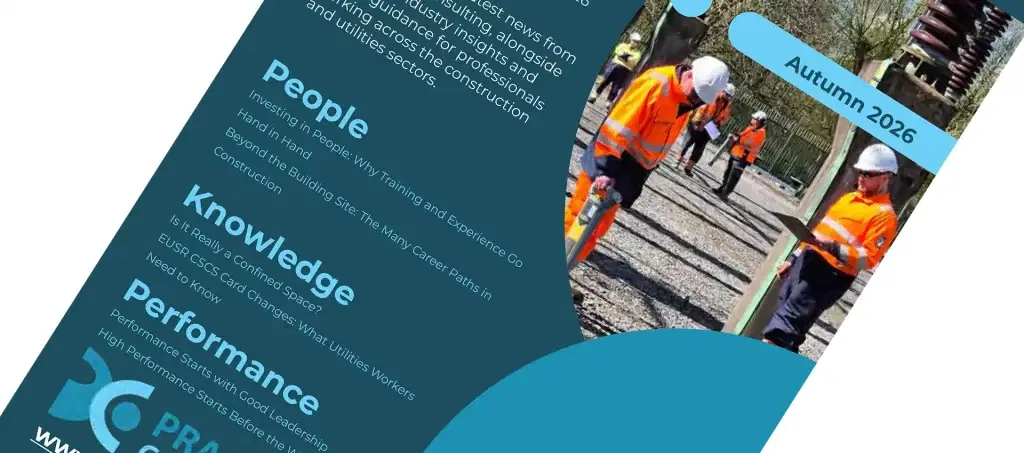
Our Autumn 2026 Newsletter is now available, bringing together the latest news from Pragmatic Consulting alongside practical insights and industry updates for professionals working across the construction and utilities sectors. This edition looks at some of the issues currently affecting businesses and individuals across the industry, with a focus on People, Knowledge and Performance. People: […]
How Is AI Changing the Construction Industry?

Artificial intelligence (AI) is changing the construction industry, from how projects are planned and designed to how risks are identified and equipment is maintained. While AI might sound like something from the future, construction businesses are already exploring ways to use artificial intelligence to improve efficiency, productivity, safety and decision-making. But what does AI in […]
EUSR SHEA and CSCS Card Changes from 1 October 2026
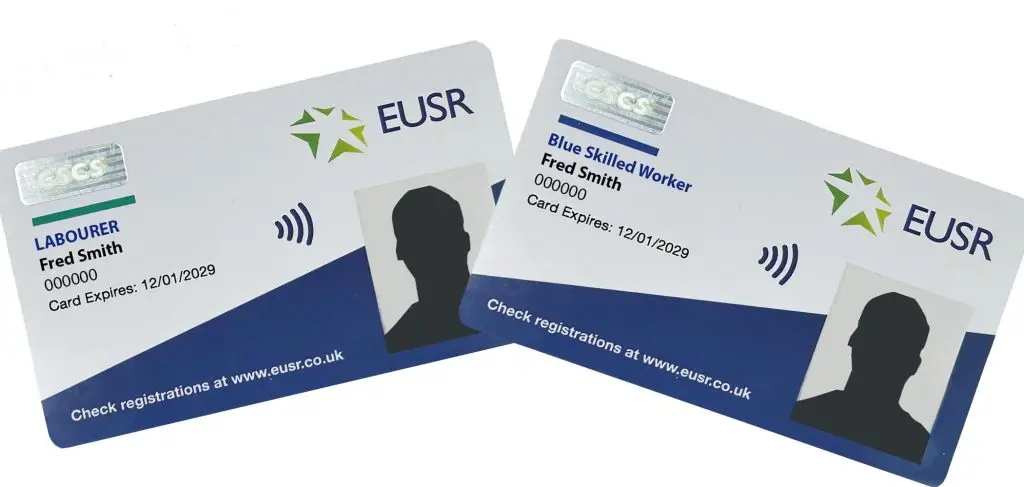
From 1 October 2026, EUSR SHEA registrations will no longer automatically include a CSCS card. If you have previously completed or plan on completing an EUSR SHEA course to gain access to construction sites, there is an important change you need to be aware of. From 1 October 2026, the SHEA registration and EUSR CSCS […]
Beyond the Building Site: 10 Careers You Might Not Know Exist in Construction
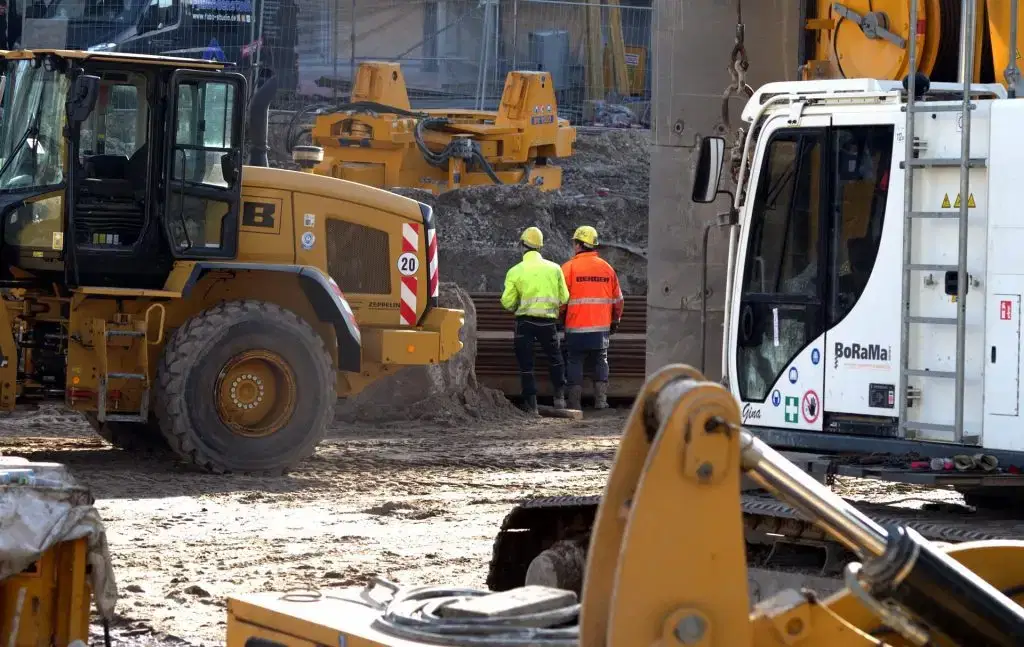
Choosing a career can feel like a huge decision. There are the obvious options you hear about at school, the jobs your family might suggest, and the careers you discover through friends, social media or work experience. But what about the careers you simply don’t know exist? Construction careers are a good example. There are […]
Could Encouraging More Girls Into Construction Help Close the Skills Gap?
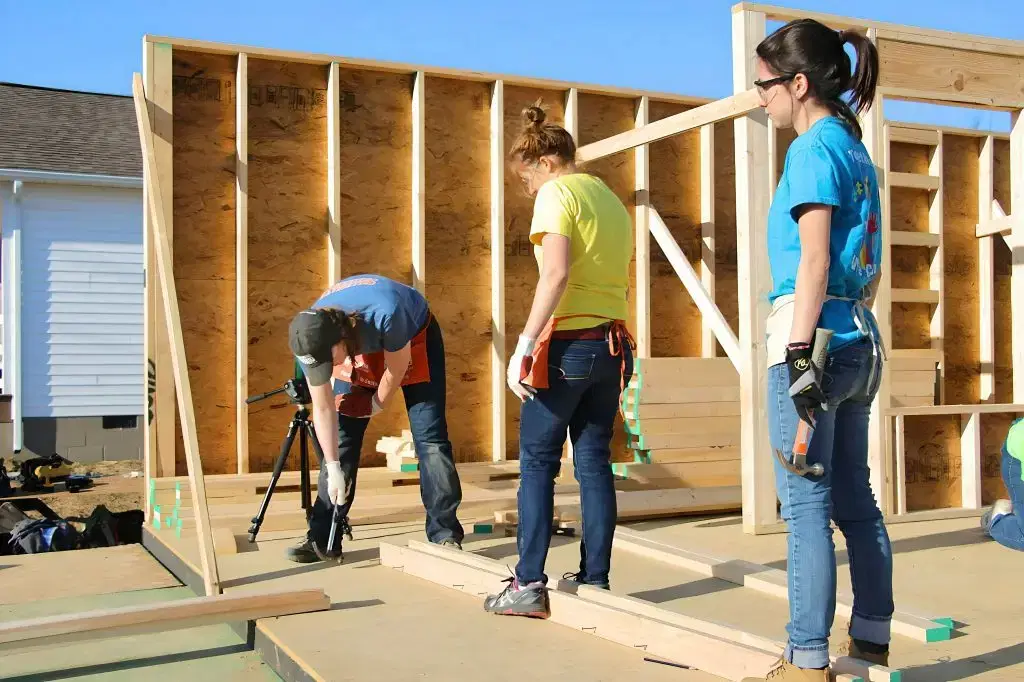
When a young girl is asked what she wants to be when she grows up, construction probably isn’t one of the first careers that comes to mind. Doctor. Teacher. Lawyer. Vet. Designer. But how often do we hear a young girl say she wants to be a site manager, electrician, civil engineer or construction project […]