“The trainer kept the course flowing and got everyone involved & kept it interesting.”


Requirements of The Electricity, Safety, Quality and Continuity Regulations (ESQCR) 2002

£290 +VAT
Course Duration:
One Day
Format:
In-Person
Location:
Stoneleigh Park
Home > Training Courses > Technical Bespoke Training Courses > Requirements of The Electricity, Safety, Quality and Continuity Regulations (ESQCR) 2002

Course Overview

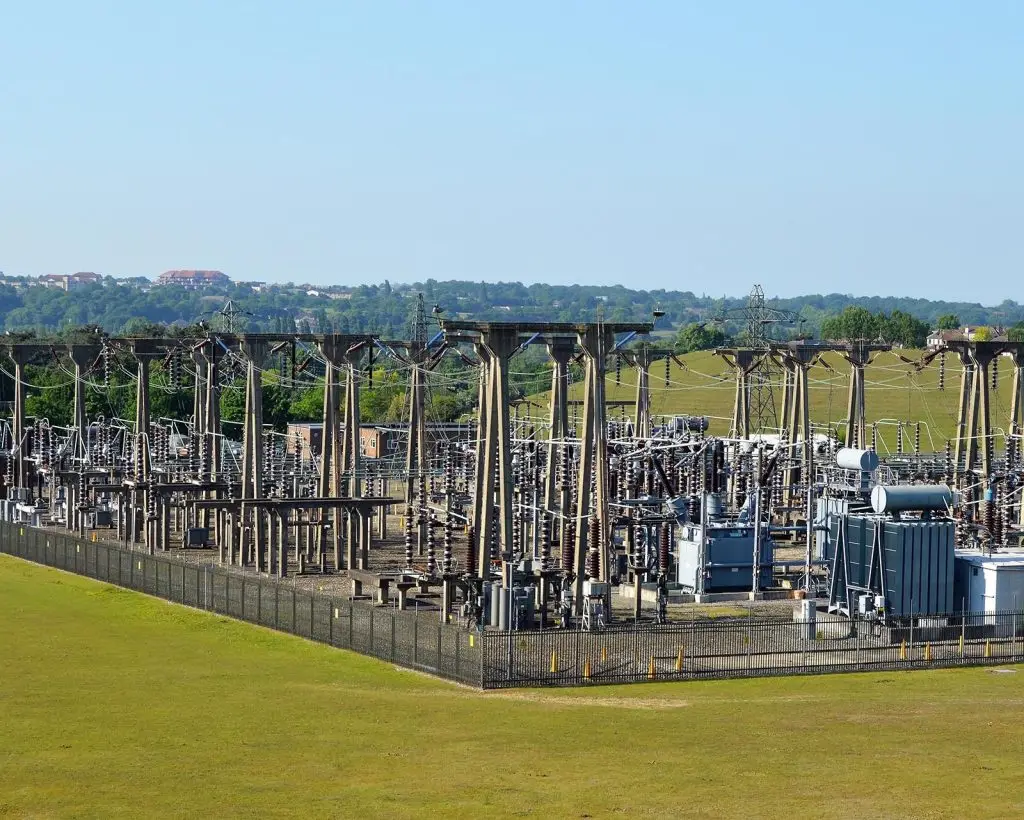
The ESQCR 2002 training course delivers specialist training on the Electricity Safety, Quality & Continuity Regulations 2002; key legislation overseen by the HSE and BEIS. This course is for people in the electricity industry, including engineers, technicians, and operators, and those that need to understand incident reporting requirements, safety obligations, and continuity standards for consumer protection.

This course is designed to provide guidance and best practice for those working on or in proximity to National Grid Electricity Transmission (NGET) assets, it references NGET procedures and industry practices to support understanding and application in the workplace. It is not an official NGET training course and is not endorsed by or delivered on behalf of NGET.

Course Duration:
One Day
Format:
In-Person
Location:
Stoneleigh Park
£290 +VAT

Certification Awarded

Certificate of Attendance

Valid for

Three Years

Awarding Body

Who should Attend This Course

This ESQCR 2002 training course is designed for:

  • Engineers and technicians working on overhead lines, substations, or underground cables
  • Duty holders responsible for ESQCR compliance
  • Distribution Network Operators (DNOs), meter operators, and contractors
  • Safety and compliance managers in electricity utilities

Prerequisites

Good understanding of spoken and written English.

What To Have With You To Attend The Course

Photo ID

Assessment

Candidates will complete a short multiple-choice assessment to confirm understanding of ESQCR.

Course Content

During this ESQCR 2002 1-day course, delegates will learn to:

  1. Interpret ESQCR scope and reporting duties (Regulations 31–32)
  2. Recognise incidents that must be reported to HSE or BEIS
  3. Differentiate between safety, quality errors, and continuity interruptions
  4. Provide examples from overhead and underground systems
  5. Understand the Approved Codes of Practice and duty-holder responsibilities

The course blends presentation, case studies, group discussions, and up-to-date regulatory guidance.

On successful completion of the course delegates will have sufficient knowledge to enable them to follow their company and industry legislative procedures and guidance, with respect to electrical safety management procedures, and to be able to apply best practise and demonstrate good practice of these procedures by passing a written assessment

Frequently Asked Questions

Which incidents are reportable under ESQCR?

Events involving electric shock, equipment failure, supply interruptions, or safety near infrastructure must be reported under Regulations 31–32.

Who enforces ESQCR?

The HSE enforces public safety standards, while BEIS oversees supply quality and continuity requirements

Ready to complete your booking? If you have all of your delegate information and photo ID's available, please login to your account before continuing. If you do not have everything just yet, you can still continue as a guest.

Book Requirements of The Electricity, Safety, Quality and Continuity Regulations (ESQCR) 2002 Course

Choose date / location

Delegate Information

  • Name *

  • Date of Birth *

  • Email Address *

  • Upload Delegate ID - Driving License or Passport *

    Max file size: 1 MBPermitted file types: jpg jpeg jpe gif png bmp tiff tif webp avif heic heif pdf

+ Add More

Enquire About Course Dates

Interested in this course? Complete the form below and we’ll contact you with upcoming dates and availability.

Other Courses You Might Be Interested In

This website uses cookies

We use cookies to personalise content, provide social media features, and analyse our traffic. We also share information about your use of our site with our analytics partners. You can change your preferences at any time. For more information, please see our Privacy Policy and Cookie Policy. Privacy Policy Cookie Policy