

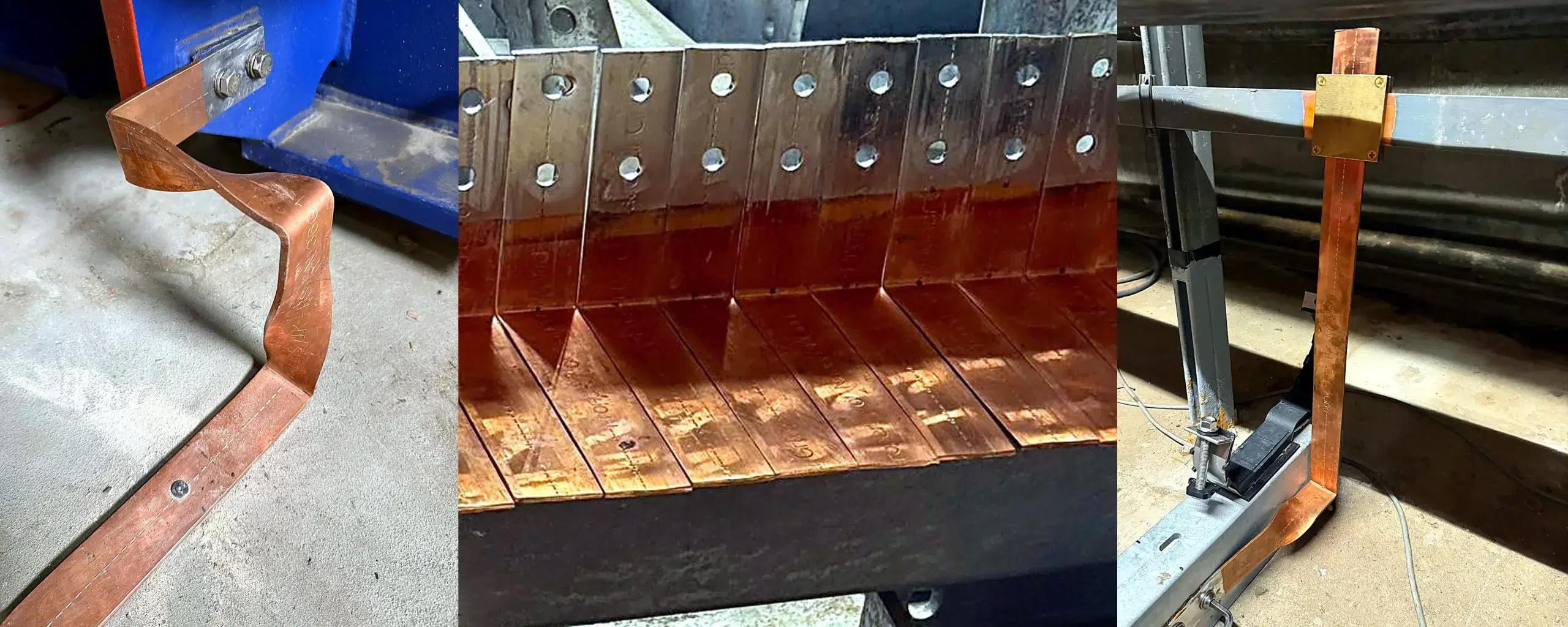
EUSR Earthing, Brazing and Exothermic Welding Training: Practical Skills for Safer Electrical Work
Effective earthing is fundamental to electrical safety. In the utilities, construction and electrical infrastructure sectors, correctly installed earthing and bonding systems help protect people, equipment and installations by providing a safe path for fault current.
Anyone who installs, repairs or inspects earthing systems needs a sound understanding of the principles involved, alongside the practical skills required to make reliable, durable connections. This is where earthing, brazing and exothermic welding training plays an important role.
Pragmatic Consulting offers Energy & Utility Skills Register (EUSR)-endorsed Earthing, Brazing and Exothermic Welding courses, including NSI 24 training covering National Grid National Safety Instruction 24 equivalent requirements. With theory, practical and combined training options available, delegates can choose the EUSR earthing course that best suits their role, experience and training needs.
What Is Earthing and Why Is It Important?
An earthing system provides a controlled, low-impedance path for electrical fault current to flow safely to earth. Together with bonding, it helps limit dangerous voltage differences on exposed metalwork, allows protective devices to operate and reduces the risk of electric shock.
Earthing work involves conductors, earth tape, earth rods and electrodes, connections and joints. The quality of every connection matters. A poorly made or unsuitable joint can increase resistance, overheat under fault conditions and compromise the effectiveness of the entire earthing system.
During an electrical fault, step, touch and transfer potentials can also put people at serious risk if an earthing system has not been designed and installed correctly.
This is why recognised earthing and bonding training is important for people involved in installing, maintaining or inspecting earthing systems, particularly in substations and across electricity networks.
What Are Brazing and Exothermic Welding?
Brazing and exothermic welding are two methods used to create permanent, low-resistance connections in earthing and bonding systems. Both require the correct equipment, materials, procedures and safety controls.
Brazing Earth Tape and Conductors
Brazing uses heat and a filler metal to join copper conductors and earth tape. In earthing applications, this typically involves oxy-acetylene brazing with a silver-copper-phosphorus filler metal, such as Sil-fos™.
Successful earth tape brazing depends on correct joint preparation, thorough cleaning, controlled heating and post-joint inspection. Training helps delegates understand the process and develop the knowledge needed to produce suitable, reliable connections.
Exothermic Welding: CADWELD® and Similar Processes
Exothermic welding, sometimes called exothermic bonding or thermite welding, uses a controlled chemical reaction inside a graphite mould to fuse conductors into a permanent connection.
Processes such as CADWELD® PLUS can produce strong, durable joints when the correct mould, materials and procedures are used and moisture is properly controlled.
CADWELD training helps delegates understand the equipment, the process and the precautions required to carry out exothermic welding correctly.
Both brazing and exothermic welding involve hazards associated with hot work, gases and molten metal. Appropriate training therefore covers safe working practices as well as the techniques themselves.
What Does Earthing, Brazing and Exothermic Welding Training Cover?
The content depends on the course option selected, but the training covers the principles, procedures and practical considerations associated with earthing systems and permanent connections.
Topics include:
- Earthing fundamentals: The purpose of earthing and bonding, key definitions and UK earthing arrangements, including TT, TN-S, TN-C-S, TN-C and IT.
- Electrical hazards: Step, touch and transfer potentials and why they matter on site.
- Earth resistance: Soil resistivity and the selection of suitable earth electrode locations.
- Main earth systems: NSI 24 principles for modifying or repairing earth conductors.
- Brazing earth tape: Hazards, control measures, Sil-fos™ filler metal and the brazing workflow.
- Exothermic welding: Main hazards, equipment and the CADWELD® PLUS process.
- Installation techniques: Earth electrode and earth tape installation.
- Quality assurance: Connection inspection, quality checks and record keeping.
- Legislation and standards: Relevant requirements, including the Electricity at Work Regulations 1989, BS 7671, BS 7430 and National Grid Technical Guidance Notes (TGN) 114 and 187.
This combination of knowledge and skills helps delegates understand why correct installation methods matter and how to apply the appropriate procedures to their work.
Why Combine Earthing, Brazing and Exothermic Welding Training?
Earthing systems and the methods used to connect their components are closely linked, particularly in substations, electrical infrastructure and utility networks.
Bringing these subjects together in one training programme gives delegates a joined-up understanding of how earthing systems, connections and installation methods work together, rather than treating each technique in isolation.
This can be particularly useful for employers training several team members, as well as individuals whose responsibilities include earthing installation, repair and maintenance. For organisations, choosing the right combination of theory and practical training also helps ensure that learning is relevant to the tasks employees are expected to undertake
Theory, Practical or Combined Earthing Training?
Different roles require different levels of knowledge and practical experience. Pragmatic Consulting offers three training options to help individuals and organisations choose the most appropriate course.
1. Earthing, Brazing and Exothermic Welding Theory Course
The theory course focuses on the principles behind earthing, brazing and exothermic welding, including processes, terminology, applications, relevant standards and safety considerations.
It is suitable for supervisors, planners, engineers and designers who need to understand the work without necessarily carrying it out themselves.
2. Brazing and Exothermic Welding Practical Course
The practical course focuses on hands-on skills. Delegates make brazed and exothermically welded joints using the appropriate equipment and procedures and are assessed in a controlled training environment.
It is suited to operatives and technicians who carry out this type of work as part of their role.
3. Theory and Practical Course
The combined course covers both underpinning knowledge and practical application. Delegates learn the principles before putting them into practice.
For employers, this offers a straightforward way to address theoretical understanding and practical skills within one training programme.
Choosing the right option depends on each delegate’s responsibilities, existing experience and the level of competence their role requires.
Who Is Earthing and Exothermic Welding Training For?
Our earthing courses are relevant to people working across construction, utilities and electrical infrastructure, including:
- Electrical and utilities engineers.
- Electrical contractors and technicians.
- Earthing and bonding specialists.
- Earthing installers.
- Substation construction and maintenance personnel.
- Utility network and cable jointing teams.
- Installation and maintenance teams.
- Supervisors, team leaders and site managers.
- Engineers and designers who need to understand earthing systems.
- Contractors working on projects involving earthing, brazing or exothermic welding.
The most suitable course depends on the work each person carries out and whether they need theoretical knowledge, practical skills or both.
For people working in substations or around high-voltage infrastructure, other specialist training may also be relevant. Explore our Substation Appreciation course for an introduction to substation equipment, functions and safety considerations, or our EUSR Impressed Voltage Awareness course to learn about impressed voltage hazards and their control.
What Will Delegates Gain?
Depending on the course selected, delegates will develop their understanding of how earthing systems work and the requirements associated with making reliable connections.
Training helps delegates to:
- Understand the purpose and importance of effective earthing and bonding.
- Apply NSI 24 principles when modifying or repairing main earth systems.
- Identify the equipment, materials and consumables used in brazing and exothermic welding.
- Recognise hazards and control measures associated with hot work, gases and molten metal.
- Prepare, make and inspect brazed and exothermically welded joints, where practical training is included.
- Carry out quality checks and maintain appropriate records.
- Apply knowledge and skills relevant to their responsibilities.
For employers, specialist earthing training supports competence, consistency and safe working practices across teams.
Why Choose Separate Theory and Practical Courses?
Not everyone in a team needs the same level or type of training. A supervisor or engineer may need a sound understanding of the theory, while an operative making connections needs hands-on practical experience. Some roles require both.
Separate theory and practical options allow employers to match training to job responsibilities, plan development for larger teams and avoid putting every employee through the same package when their requirements differ.
This flexibility helps organisations choose training that is relevant to the work their teams actually carry out.
Open Courses and On-Site Training for Teams
Pragmatic Consulting’s EUSR-endorsed Earthing, Brazing and Exothermic Welding training is available to individuals through open course dates and to organisations looking to train teams.
For larger groups, closed courses can be delivered at your own site, subject to suitable facilities. Training can be planned around operational requirements to help minimise disruption.
Whether you are booking for one delegate or arranging training for a team, choosing the right course option is an important step towards developing the knowledge and practical skills required for the work.
Why Invest in Specialist Earthing Training?
Earthing connections are a critical part of electrical infrastructure. The quality of the work affects safety, reliability and the long-term performance of an installation.
Good training should be about more than completing a course. It should help people understand what they are doing, why it matters and how to apply the appropriate techniques safely.
For employers, investing in relevant earthing and bonding training is an important part of developing competent teams and supporting compliance with applicable health and safety requirements, including duties under the Electricity at Work Regulations 1989.
Frequently Asked Questions
Is the Earthing, Brazing and Exothermic Welding course EUSR endorsed?
Yes. Pragmatic Consulting offers EUSR-endorsed Earthing, Brazing and Exothermic Welding training, including content covering NSI 24 equivalent requirements.
What is NSI 24?
National Safety Instruction 24 (NSI 24) relates to the modification or repair of earth conductors on main earth systems. The training covers the relevant principles, including the hazards associated with working on earth systems.
What is the difference between brazing and exothermic welding?
Brazing uses heat and a filler metal to join conductors, while exothermic welding uses a chemical reaction inside a mould to fuse conductors into a permanent connection. Both methods are used in earthing systems, and the course covers both techniques.
Do I need the theory course, practical course or both?
Choose the theory course if your role requires an understanding of earthing systems and connection methods. Choose practical training if you carry out brazing and exothermic welding. The combined course is suitable if you need both theoretical knowledge and practical skills.
If you are unsure which option is right for your role, contact our team to discuss your requirements.
Can you deliver earthing training at our site?
Yes. Closed courses can be delivered at your location for groups, subject to suitable facilities. Contact Pragmatic Consulting to discuss your team’s training needs and delivery requirements.
Book EUSR Earthing, Brazing and Exothermic Welding Training
Whether you need theoretical knowledge, hands-on experience or a combination of both, Pragmatic Consulting offers flexible EUSR-endorsed Earthing, Brazing and Exothermic Welding training options.
Choose from:
- Theory training for underpinning knowledge.
- Practical training for hands-on brazing and exothermic welding skills.
- Combined theory and practical training for both elements.
- Open course dates for individual delegates.
- Closed courses for organisations and teams.
Ready to find the right course for your role or workforce?
Explore our EUSR Earthing, Brazing and Exothermic Welding courses and upcoming dates.
Contact Pragmatic Consulting to discuss your requirements and find the most suitable training option.