

What are the job responsibilities of a construction worker?

If you’re considering a career in construction, it’s important to understand what the role involves. Construction workers support a wide range of projects, from housebuilding and commercial developments to infrastructure and utilities. While responsibilities vary by site and employer, every role shares several core duties. Alongside practical ability, you’ll also need the right training to […]
What is the CITB SMSTS Course?
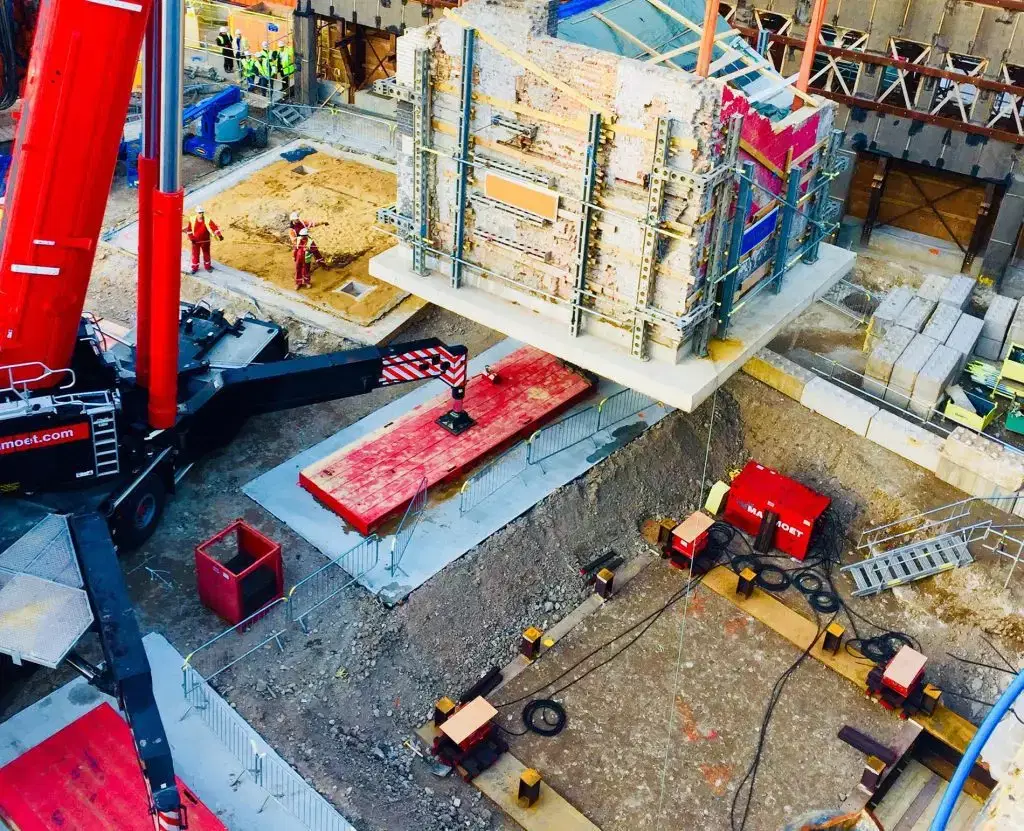
The CITB Site Management Safety Training Scheme (SMSTS) Course is one of the construction industry’s most respected health and safety qualifications for managers, supervisors, and those responsible for overseeing construction projects. Designed by the Construction Industry Training Board (CITB), this comprehensive five-day programme equips site managers with the knowledge and practical understanding needed to manage […]
CITB Funding Changes 2026: Are CITB Levy Payers Still Getting Value Anymore?

Let’s be honest, the CITB Funding Changes 2026 have brought one of the biggest shifts we’ve seen in CITB funding for years, and not in a way that most employers were hoping for. At a time when the UK construction industry is being pushed to deliver major infrastructure, net zero projects, and housing targets, we’re […]
Why Every Electrician Needs at Least a Basic Understanding of PV, Battery Storage and EV Charging Systems

For many electricians, the emergence of technologies such as solar photovoltaic (PV) power supply systems, battery electrical energy storage systems (EESS), and electric vehicle supply equipment (EVSE) has transformed parts of the industry. However, not every electrician has chosen to specialise in these areas, and many remain focused on more traditional installation, inspection and maintenance […]
Understanding the Different Types of RCDs: Choosing the Right Device for the Right Application

Why RCD Selection Matters Residual Current Devices (RCDs) have become one of the most important electrical safety devices used within modern electrical installations. Their primary purpose is to reduce the risk of electric shock and minimise the likelihood of electrical fires by disconnecting the supply when earth leakage currents are detected. As electrical installations have […]
PAT Testing and In-service inspection and testing of electrical equipment (ISITEE) – Is it only for office equipment?

From Simple Visual Inspections to Modern Electrical Safety Management “PAT Testing (Portable Appliance Testing) has become a familiar term throughout UK workplaces, schools, hospitals, construction sites and public buildings. For many years, coloured labels and annual testing schedules became synonymous with electrical safety management. However, the history of PAT testing is far more interesting than […]
Navigating the Appendices of BS 7671: More Than Just Extra Pages

When studying BS 7671, many electricians focus most of their attention on Parts 1 to 8, where the regulations themselves are located…. …However, some of the most valuable information in the Wiring Regulations can be found beyond the numbered regulations, and within the appendices. For apprentices, experienced electricians, inspectors, and designers alike, understanding how to […]
How to Fill Out an F10 Notification Form (CDM 2015 Regulations)
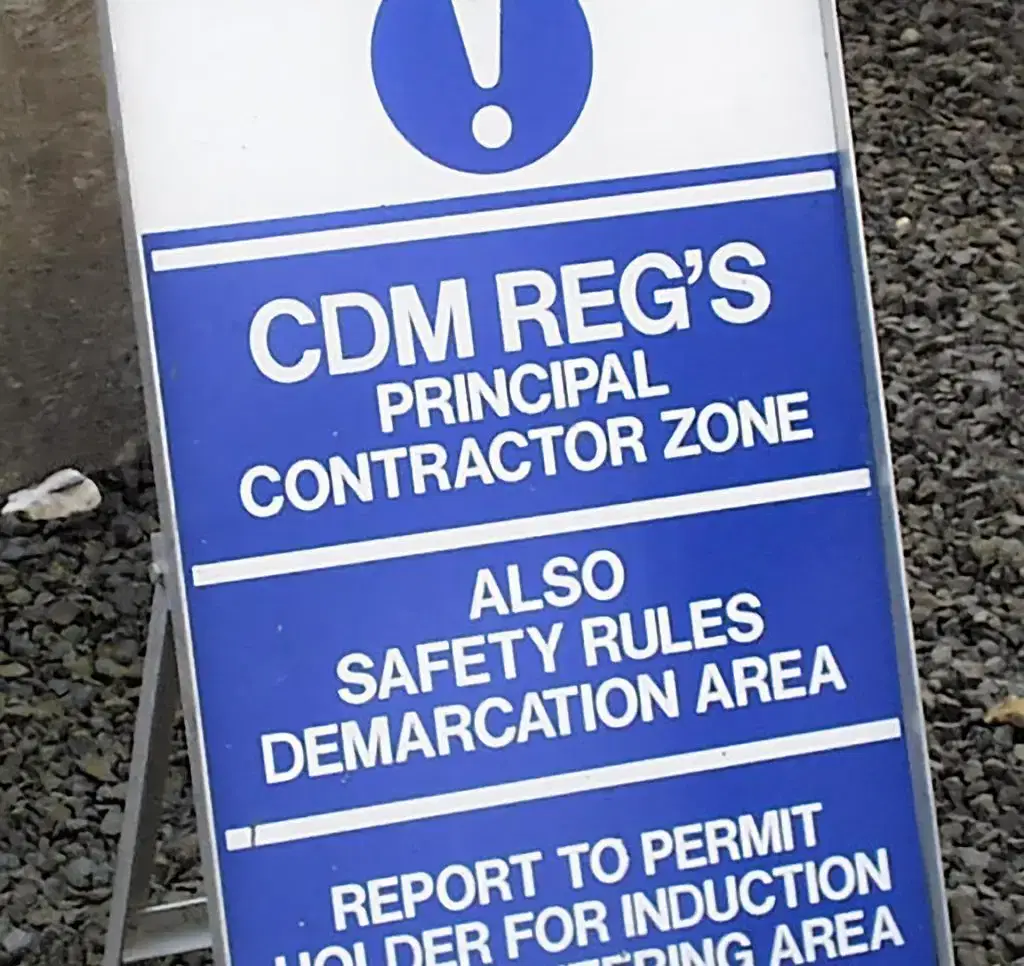
If you’re planning a construction project in the UK, you may need to submit an F10 notification form to the Health and Safety Executive (HSE). This is a legal requirement under the Construction (Design and Management) Regulations 2015 (CDM 2015), and failing to do so could result in enforcement action. In this article, we will […]
SHEA Conversions: The Smart Route for Multi-Utility Contractors

If you or your team already hold a valid EUSR SHEA Passport in one utility sector, there is absolutely no need to sit through a full day of SHEA training again just to set foot on a different type of site. At Pragmatic Consulting, our EUSR SHEA Conversion Courses act as a fast-track bridge. We […]
BS 7671 Amendment 4: Why “Not My Job” Doesn’t Wash Anymore for Multi-Skilled Trades

When I set up Pragmatic Consulting 13 years ago, I wanted to deliver training differently. I wanted it to be flexible, inclusive, and relevant to the real hazards teams face on site every single day. Lately, I’ve been talking to a lot of contractors and utility managers who look at the upcoming BS 7671 Amendment 4 […]
SCO Renewals: Do Not Leave It Too Late

Why Planning Ahead Could Save You Time, Cost and Unnecessary Training For many gas industry professionals, Safe Control of Operations (SCO) forms an important part of their day-to-day responsibilities and ongoing competency requirements relating to renewal and revalidation of SCO registration. Whether operating as a Competent Person (CP), Authorising Engineer (AE), Responsible Engineer (RE) or […]
Five Key Five Key Principles of SCO (Safe Control of Operations)

The Foundations of Safe and Effective Gas Network Operations Safe Control of Operations (SCO) is much more than a collection of procedures and forms. At its core, SCO is about ensuring that work on gas networks is planned, communicated and controlled in a way that protects people, property and security of supply. Whether you operate […]