

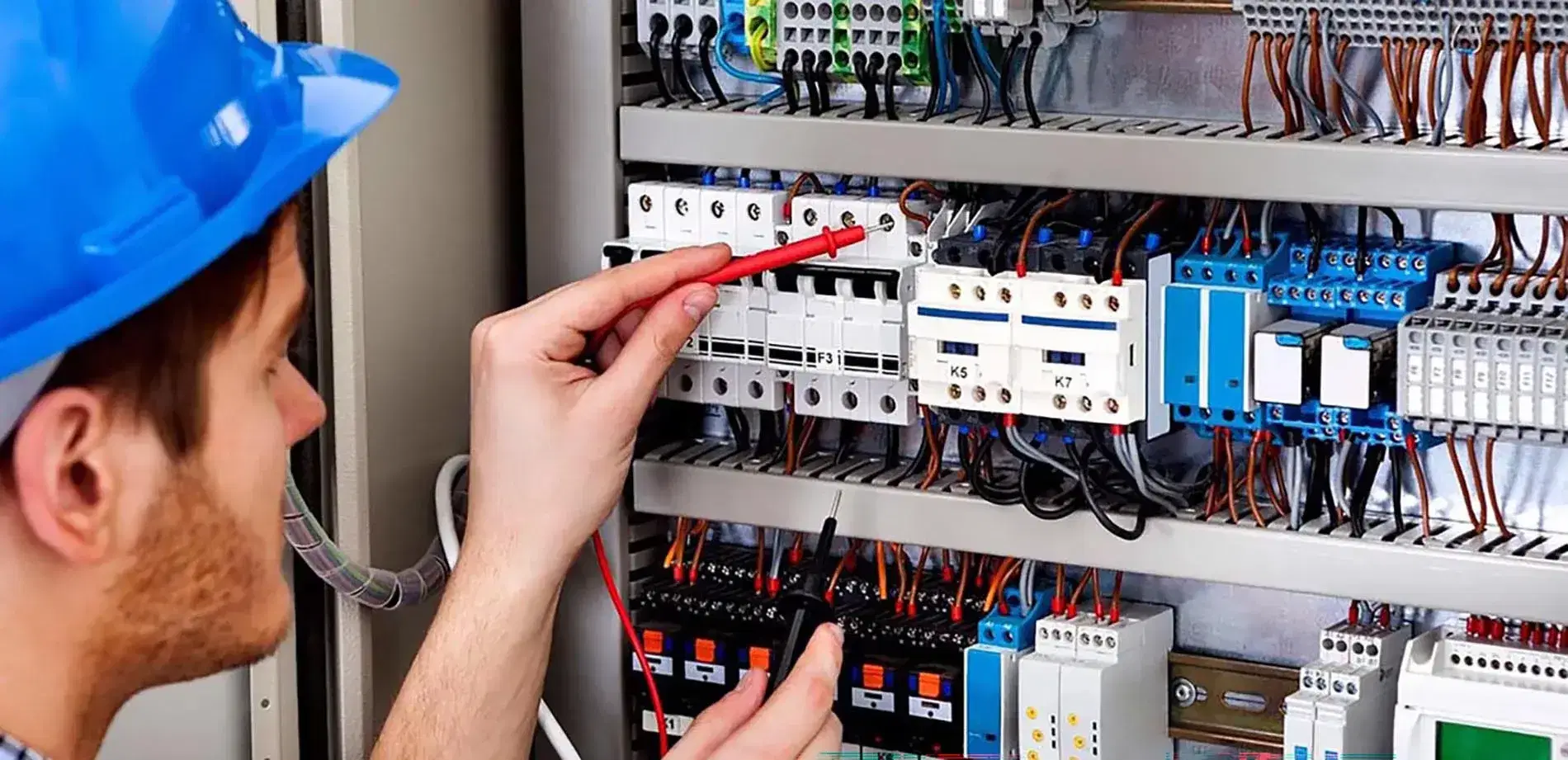
BS 7671 Amendment 4: Why “Not My Job” Doesn’t Wash Anymore for Multi-Skilled Trades
When I set up Pragmatic Consulting 13 years ago, I wanted to deliver training differently. I wanted it to be flexible, inclusive, and relevant to the real hazards teams face on site every single day.
Lately, I’ve been talking to a lot of contractors and utility managers who look at the upcoming BS 7671 Amendment 4 updates and say, “That’s just for domestic sparkies, Jo. It doesn’t affect my lads.”
I need to be direct with you: it absolutely does.
Whether your team is laying pipes, servicing commercial boilers, managing a large facility, or commissioning EV charging networks, the lines between engineering sectors have become increasingly blurred. Following Amendment 4, if your team interacts with, installs, or isolates equipment connected to a low-voltage electrical system, a simple “safe isolation” tick-box certificate isn’t going to protect your business from liability, insurance audits, or HSE scrutiny.
The 18th Edition qualification is no longer just for electricians. As electrical systems become increasingly integrated across utilities, construction, facilities management and renewable energy, professionals from a wide range of industries now need an understanding of BS 7671 Amendment 4. Here are some of the roles that should consider updating their knowledge.
1. E&I Engineers (Electrical & Instrumentation)
In the utilities and process industries, E&I engineers are the backbone of automated operations. They work with everything from low-voltage control loops and Supervisory Control and Data Acquisition (SCADA) telemetry to high-power machinery systems.
With Amendment 4 introducing updated parameters for electrical surge protection, harmonic distortion and smart integration, an up-to-date City & Guilds 2382 qualification is becoming increasingly important for E&I engineers. To maintain engineering compliance on major gas distribution, transmission and water infrastructure projects, instrumentation teams should understand how changing low-voltage installation requirements affect system calibrations and control loop safety.
2. Professionals with GNIM and GNEM Authorisations
If your managers or field operatives hold GNIM (Gas Network Instruction Manager) or GNEM (Gas Network Emergency Manager) authorisations, your core focus is network safety, pressure control and emergency incident response. However, gas networks do not operate in a vacuum; they rely heavily on complex electrical control telemetry, governor instrumentation and anti-corrosion systems.
Under current safety legislation, a GNIM or GNEM authorised professional overseeing network modifications or emergency isolations should have a working knowledge of the wider electrical environment. Ensuring your network managers are certified to current BS 7671 standards helps them safely manage multi-discipline repair teams and confidently sign off asset safety declarations.
3. 18th Edition Course for Gas Engineers
Think about what your commercial or domestic gas engineers do every day. They’re wiring smart controls, working on boiler control packs and adjusting motorised valves. They’re working with live electrical components on almost every job.
Relying on old habits or basic cross-skilling isn’t enough under current frameworks. A dedicated 18th Edition course for gas engineers helps ensure your team can safely and legally work on the electrical control wiring associated with modern heating systems, supporting compliance with Gas Safe requirements and Building Regulations.
4. BS 7671 Certification for Mechanical Contractors
HVAC systems, pumping stations and industrial ventilation units are all fundamentally driven by complex electrical control panels. Amendment 4 brings important updates to thermal effects, smart energy management and overcurrent protection.
Gaining a BS 7671 qualification helps mechanical contractors understand why these safety updates matter and reduces the likelihood of projects being delayed by avoidable electrical compliance issues.
5. Electrical Safety Qualifications for the Utilities Sector
This is our bread and butter. Having spent years inside the utility infrastructure network, I know how fast systems are modernising. With the infrastructure upgrades sweeping through water treatment, gas governor systems, and substation telemetry, electrical safety boundaries are critical.
Our electrical safety qualifications for the utilities sector have been thoroughly updated to reflect Amendment 4. Your field teams need to understand these network-to-site distribution regulations to properly manage arc-flash and fault risks when working near energised kit.
6. 18th Edition Training for Facilities Managers
If you are managing a commercial property portfolio, the legal buck stops with you.
Amendment 4 introduces significant updates around building energy efficiency, fire safety pathways and electrical safety.
Taking the 18th Edition training for facilities managers isn’t about turning you into a full-time electrician. It’s about giving facilities managers the knowledge to audit subcontractors, sign off minor works with confidence and help protect assets from compliance failures.
7. City and Guilds 2382 for Renewable Energy Installers
The green technology sector is growing rapidly, but installing solar PV systems, EV charging points and commercial air-source heat pumps requires a solid understanding of low-voltage electrical installations.
Amendment 4 explicitly refines the codes of practice for “prosumer” installations (sites both consuming and generating electricity). If your teams don’t hold the City and Guilds 2382 for renewable energy installers, you risk failing MCS (Microgeneration Certification Scheme) compliance audits or, worse, invalidating your manufacturer warranties.
8. Data Centres and the Vital Importance of the 18th Edition
In a data centre environment, downtime isn’t just an inconvenience, it’s a financial headache.
With Amendment 4 introducing updated requirements in Section 545 (Functional Earthing for ICT Systems) and Section 716 (Power over Ethernet), standard power infrastructure design continues to evolve.
E&I engineers and critical facilities teams need to understand how to cleanly isolate functional signal earth from protective earth to eliminate electromagnetic noise. From specifying the correct Type B Residual Current Devices (RCDs) for Uninterruptible Power Supply (UPS) systems networks to calculating thermal cable bundle limits for Power over Ethernet (PoE) sensors, ensuring your maintenance and installation teams are certified to the latest 18th Edition standards is your ultimate insurance policy against unexpected network outages.
9. HVDC Converter Stations and the 18th Edition
While High Voltage Direct Current (HVDC) transmission links stretch across the country outside standard installation frameworks, the substations that drive them rely entirely on complex low-voltage infrastructure. Massive thyristor converter stacks introduce intense harmonic distortion and potential smooth Direct Current (DC) leakage currents directly into local control environments.
Under Amendment 4 guidelines, E&I teams and utility infrastructure supervisors must master Type B RCD specification and advanced earthing coordination (Section 545). Ensuring your field teams hold up-to-date 18th Edition credentials is your ultimate defence against stray DC currents blinding site safety breakers, preserving 100% transmission uptime across the network.
10. Construction Sites and Temporary Power Compliance
Construction environments present the harshest testing grounds for electrical infrastructure. With Amendment 4 tightening the rules within Section 704 (Construction and Demolition Sites), temporary power management is under intense regulatory scrutiny. From ensuring all hand tools are driven by 110V Reduced Low Voltage (RLV) systems to selecting the correct Type B RCDs to stop heavy plant machinery from blinding site safety breakers, compliance is your absolute defence against site incidents.
Ensuring your electrical contractors and site engineers hold up-to-date 18th Edition credentials is essential to protect your workforce, pass HSE audits seamlessly, and keep your project timelines moving forward safely.
11. Battery Energy Storage Systems (BESS) and Chapter 57
Commercial and grid scale energy storage systems are transforming how we manage electrical infrastructure, but they introduce intense thermal and electrical hazards. Under the strict mandates of Chapter 57 (Stationary Secondary Batteries), installation standards have changed significantly. From ensuring full compliance with PAS 63100 fire separation layouts to specifying advanced Type B RCDs that stop smooth DC currents from blinding upstream safety breakers, your engineering teams cannot rely on guesswork.
Ensuring your design engineers and E&I installers hold up-to-date 18th Edition credentials is your ultimate defence against thermal runaway risks, ensuring your battery projects pass rigorous safety audits and connect to the grid smoothly.
12. Telecoms Networks and Low-Voltage Safety Compliance
Maintaining continuous mobile and data connectivity requires flawless low voltage power coordination. With Amendment 4 introducing strict mandates in Section 545 (Functional Earthing for ICT Systems) and Section 716 (Power over Ethernet), standard telecoms deployment has significantly evolved. Network installers and field technicians must understand how to cleanly isolate functional signal earth from protective earth to eliminate electromagnetic noise on data lines.
From managing heat dissipation inside dense small cell PoE cable bundles to protecting equipment against induced voltages on shared utility poles, ensuring your field teams hold up-to-date 18th Edition credentials is your ultimate insurance policy against network downtime and compliance rejections.
13. Substation Control Panels and Secondary Wiring Compliance
In a high voltage substation environment, a failure in a secondary control panel can blind an entire grid section. With Amendment 4 introducing strict mandates in Section 545 (Functional Earthing for ICT Systems) and tightening surge protection parameters, wiring these high-density enclosures is no longer business as usual. E&I wiremen and secondary systems engineers must understand how to cleanly isolate functional signal earth from protective earth to prevent high-frequency noise from corrupting digital protection relays.
From managing heat dissipation inside dense control wire bundles to specifying Type B RCDs on auxiliary charging boards, ensuring your panel building teams hold up-to-date 18th Edition credentials is your ultimate defence against unexpected network outages and compliance rejections.
14. The Solar PV Industry and Section 712 Compliance
As commercial and utility scale solar generation expands, electrical safety standards are shifting rapidly to manage high voltage DC hazards. Under the updated rules within Section 712 (Solar Photovoltaic Power Supply Systems), standard installation practices require strict compliance checks. From managing high temperature DC arc-flash risks with specialized routing to specifying advanced Type B RCDs that stop smooth DC currents from blinding building safety breakers, solar installation can no longer rely on generic methods.
Ensuring your design engineers and field installers hold up-to-date 18th Edition credentials is your ultimate defence against system component fires, ensuring your projects pass strict grid-connection audits and building controls smoothly.
16. Confined Space Maintenance and Section 706 Compliance
Working within vaults, shafts, and storage tanks presents the most hazardous environment a field engineer can enter. Under the strict updates within Section 706 (Conductive Locations with Restricted Movement), temporary electrical power management cannot rely on standard site methods. From placing all 25V Safety Extra Low Voltage (SELV) isolation transformers strictly outside the chamber entry point to selecting IP65 heavy duty trailing cables that counter extreme water and mechanical abrasion, compliance is your ultimate tool for saving lives.
Ensuring your utility maintenance teams and electrical contractors hold up-to-date 18th Edition credentials alongside their Confined Space certificates is your absolute guarantee of seamless safety compliance and zero site incidents.
We Make It Practical: Train With Us in the Midlands or We’ll Come to Your Site
I know how disruptive it is to pull productive engineers out of the field. Downtime hits your bottom line, plain and simple. That’s why we don’t believe in rigid, corporate style barriers to training. We offer two straightforward options to get this certified:
- Join us in the West Midlands / Warwickshire: You can book your team into our fully accredited training facilities at Stoneleigh Park, Kenilworth right in the heart of the Midlands transport network with plenty of free parking and great facilities.
- We send an instructor and exam invigilator to you: If you have a group of engineers or contractors, we will pack up the kit and send a qualified City & Guilds trainer and invigilator straight to your depot, office, or site anywhere in the UK to deliver the classroom learning and invigilate the official exam.
No fuss, no massive travel expenses for your staff, and completely tailored to your operational calendar.
Let’s get your team compliant with BS 7671 Amendment 4 before an audit or a site incident forces your hand.