

Understanding Confined Space Entry Regulations
In various industries, working in confined spaces is a daily reality. However, entering and working in these spaces involves significant risks, which is why regulations and training are essential for safety. This article explores what constitutes a confined space, the regulations surrounding them, and the importance of proper training such as the City and Guilds 6160-09 confined space training, essential for safety.
What Defines a Confined Space?
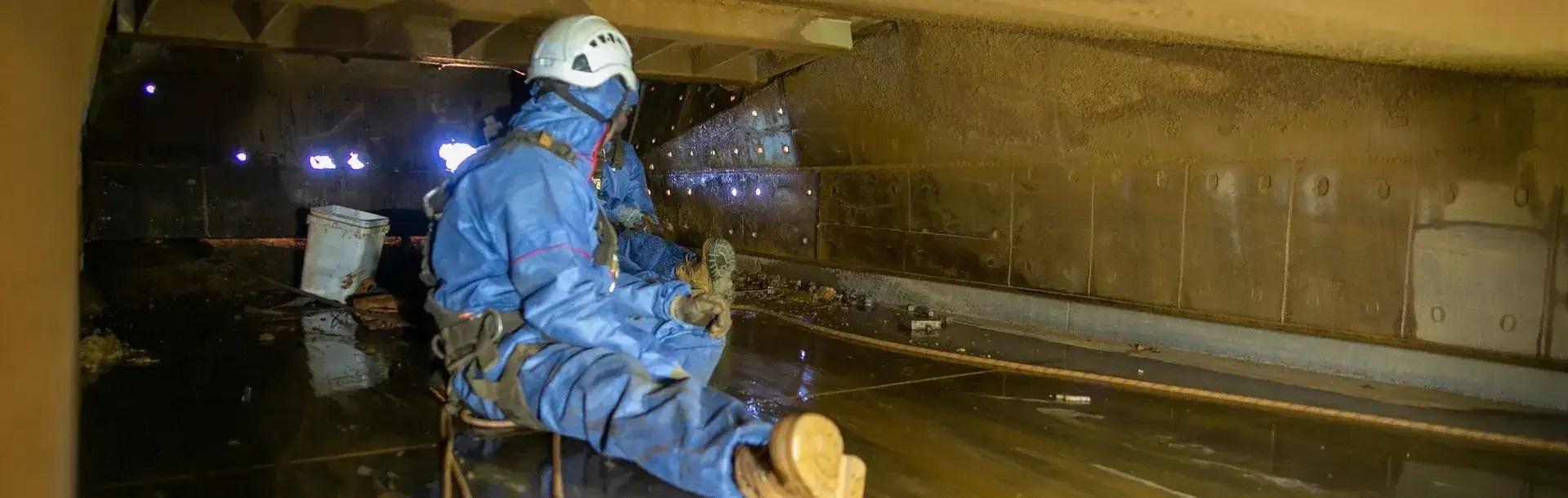
In the simplest terms, a confined space is any area that is large enough for a person to enter and perform specific tasks but has limited or restricted means for entry or exit. These spaces are not designed for continuous occupancy. Examples include tanks, silos, storage bins, hoppers, vaults, and pits.
Confined Space Definition in the UK
According to UK regulations, a confined space is a place which is substantially enclosed, and there is a risk of serious injury from hazardous substances or conditions within the space or nearby. This definition is crucial for understanding the necessary precautions and legal requirements for working in such environments. The emphasis on substantial enclosure highlights the potential for dangerous atmospheres or physical hazards, making it imperative to assess each space individually.
Common Types of Confined Spaces in Industries
Various industries encounter different types of confined spaces, each with unique challenges.
For instance, in the agriculture sector, silos can present risks of suffocation or toxic exposure.
In the manufacturing industry, tanks and vats may require entry for maintenance, posing risks due to chemical residues.
In the construction and utilities industry, manholes, tunnels, pipelines, enclosed drains and sewerage systems and underground substations can all pose risks.
Identifying these spaces within specific industries is the first step in ensuring worker safety.
Why Are Confined Space Regulations Important?
Confined space regulations are designed to protect workers from the hazards associated with these environments. Hazards can include toxic atmospheres, oxygen deficiency, flammable atmospheres, and physical hazards like engulfment or entrapment.
The Role of Regulations
The regulations serve several purposes:
- Risk Assessment: Before entering a confined space, a thorough risk assessment must be conducted to identify potential hazards and determine the necessary precautions. This step is crucial, as it forms the foundation of a comprehensive safety plan, ensuring that all risks are understood and mitigated before work begins.
- Permit Systems: Many confined spaces require a permit-to-work system to ensure all safety measures are in place before entry. The permit system acts as a formal check to verify that all safety protocols have been followed, and it provides a clear record of who is authorised to enter the space and when.
- Emergency Procedures: Regulations mandate that there must be emergency procedures in place, including rescue plans and equipment. These procedures ensure that should an incident occur, there are clear, practiced steps to take to rescue workers and mitigate harm quickly.
- Training Requirements: Workers must receive proper training to understand the risks and safety procedures related to confined spaces. Training equips workers with the knowledge and skills needed to recognise hazards, use safety equipment effectively, and respond appropriately in emergencies.
Benefits of Complying with Regulations
Complying with confined space regulations not only enhances safety but also improves operational efficiency. By ensuring that all protocols are followed, companies can avoid costly accidents and potential legal liabilities. Moreover, adherence to regulations fosters a culture of safety, encouraging workers to prioritise their well-being and that of their colleagues.
Consequences of Non-Compliance
Failure to comply with confined space regulations can result in severe penalties, including fines and legal action. More importantly, non-compliance can lead to accidents that cause injury or loss of life. Companies must recognise that ignoring these regulations puts their employees at unnecessary risk, with potentially devastating consequences.
Confined Spaces Regulations 1997
In the UK, the Confined Spaces Regulations 1997 provide the legal framework for managing the risks associated with confined spaces. These regulations require employers to conduct risk assessments, ensure proper training, and implement safety measures. The 1997 regulations emphasise the importance of identifying and controlling hazards, making them a cornerstone of confined space safety in the UK.
Importance of Training: 6160-09 and City and Guilds
Proper training is crucial for anyone working in or around confined spaces.
66160-09 Medium Risk Confined Space Training
The 6160-09 training covers the essential skills and knowledge needed to work safely in confined spaces. It includes understanding the risks, using safety equipment, and executing emergency procedures. This training is designed to provide workers with hands-on experience, simulating real-world scenarios to prepare them for potential hazards they may encounter.
The Impact of Training on Workplace Safety
Training has a profound impact on workplace safety, particularly in high-risk environments like confined spaces. Well-trained employees are more likely to identify hazards early, preventing accidents before they occur. Furthermore, training fosters confidence and competence, empowering workers to take proactive steps in maintaining their safety and that of their colleagues.
Working Safely in Confined Spaces
To work safely in confined spaces, follow these key guidelines:
- Conduct a Risk Assessment: Always start with a thorough risk assessment to identify potential hazards. This step involves evaluating the environment, materials present, and the tasks to be performed, ensuring that all risks are accounted for.
- Implement Control Measures: Use engineering controls, PPE (personal protective equipment), and safety equipment to mitigate identified risks. Control measures should be tailored to the specific hazards of each confined space, incorporating the latest safety technologies and practices.
- Use a Permit-to-Work System: For high-risk confined spaces, ensure a permit-to-work system is in place to monitor entry and exit. This system acts as a safeguard, confirming that all safety checks have been completed and that only authorised personnel are permitted entry.
- Ensure Proper Ventilation: Maintain adequate ventilation to prevent the build-up of hazardous gases. Effective ventilation is crucial in confined spaces, as it helps to maintain safe air quality and reduce the risk of toxic exposure.
- Have Emergency Plans: Always have emergency procedures and rescue plans ready in case of an incident. These plans should be well-documented and rehearsed regularly, ensuring that everyone involved knows their role and can act swiftly in an emergency.
- Provide Adequate Training: Ensure all workers have received proper training, such as the City and Guilds confined space courses, relevant to their roles. Regular training updates are essential to keep workers informed of new regulations and safety practices, maintaining a high standard of safety awareness.
Conclusion
Understanding and adhering to confined space entry regulations is vital for the safety of workers in various industries. By defining what constitutes a confined space, recognising the importance of regulations, and emphasising the need for proper training, employers can significantly reduce the risks associated with confined space work. For those working in these challenging environments, knowledge and preparation are the keys to safety.
By following these guidelines and investing in the right training, you can ensure a safer workplace and protect your team from the inherent dangers of confined spaces. Ultimately, a commitment to safety not only protects employees but also enhances productivity and fosters a positive workplace culture
Pragmatic Consulting are able to help with approved Confined space training such as: City & Guilds 6160-09 – Working in Medium Risk, Entrant & Entry Controller Confined Spaces and City & Guilds 6160-03 High Risk Confined Spaces, book online today!