

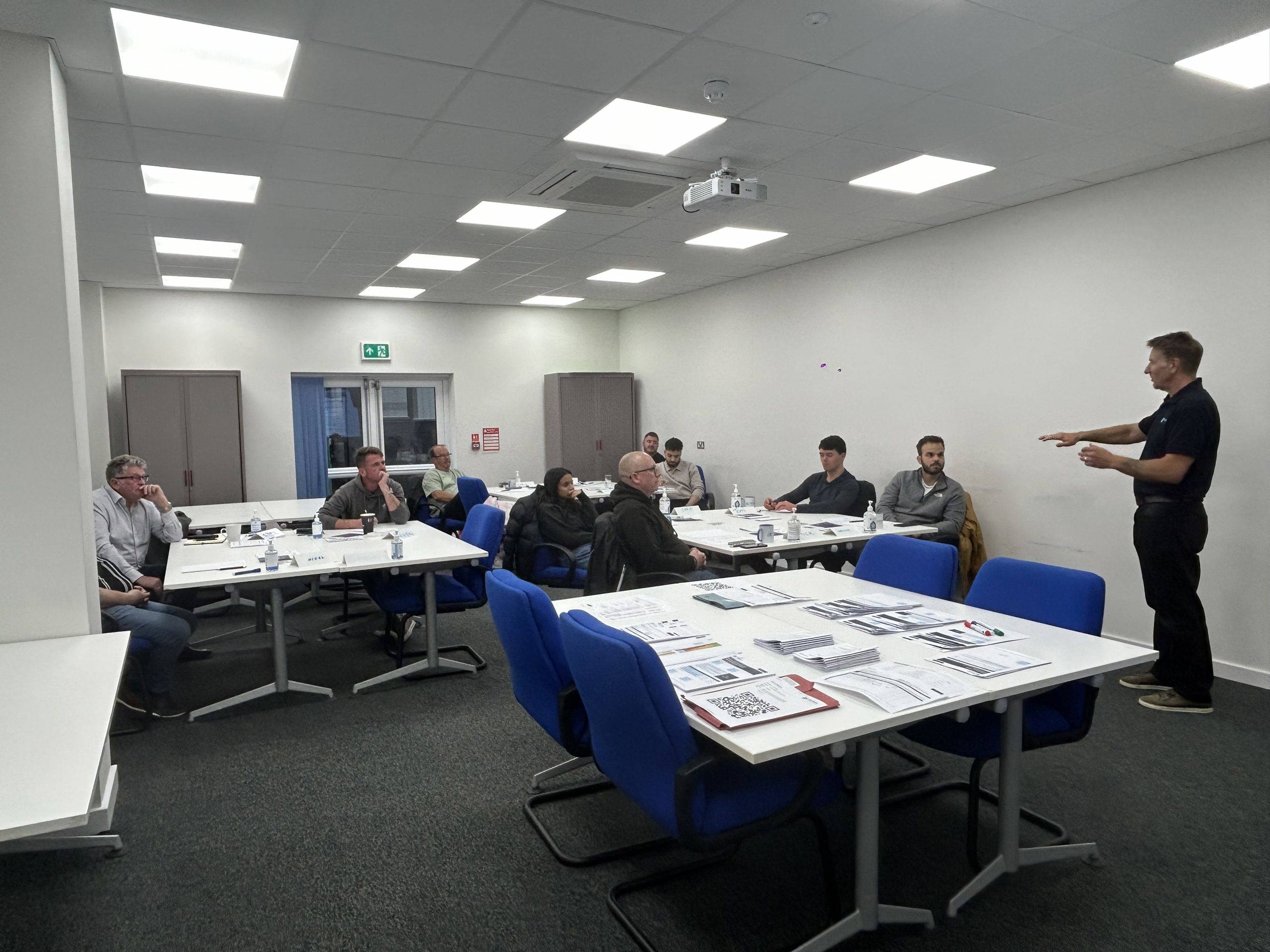
Why Industry Experienced Trainers Matter in Construction and Utilities Training
When choosing a training provider, it’s easy to focus on the practical details: course availability, location, price and certification. But one of the most important factors is often overlooked: the experience and knowledge of the people delivering the training. Industry experienced trainers bring more than just subject knowledge into the classroom. They understand the working environments, challenges and risks that learners face every day, helping to make training relevant, practical and easier to apply in real-world situations.
At Pragmatic Consulting, we believe the quality of training starts with the people delivering it. That’s why we only employ trainers who combine genuine industry experience with a passion for sharing what they know.
But what difference does industry experience make, and why should it be an important consideration when choosing a training provider?
1. Why Industry Experienced Trainers Make a Difference
There is a difference between knowing the theory behind a subject and understanding how it works in practice.
Construction sites, utility networks and electrical infrastructure all present challenges that cannot always be fully understood through textbooks and presentations alone.
Trainers with relevant industry experience can bring these subjects to life, using real-world examples and practical knowledge to explain how things work beyond the classroom.
At Pragmatic, we carefully select trainers who have genuine experience in the industries they deliver training for. We want learners to benefit from people who understand their working environments, recognise the challenges they face and can share knowledge that goes beyond the course materials.
This helps make training more relevant, relatable and valuable to the people attending.
2. Understanding Industry Risks and Responsibilities
Construction and utilities involve a wide range of hazards, from working around underground services and electrical equipment to managing temporary works and maintaining safe systems of work.
Understanding these risks is an important part of effective training.
An experienced trainer can explain not only which procedures need to be followed, but why they matter and what can happen when they are not followed correctly.
For example, someone delivering underground service avoidance training needs to understand the practical challenges of working around buried apparatus. Similarly, electrical safety training needs to reflect the risks and responsibilities associated with working in electrical environments.
Having this knowledge allows trainers to put information into context, helping learners understand how their actions and decisions can affect their own safety and that of others.
3. Why Passionate Trainers Make Better Learning Experiences
Industry experienced trainers are important, but we also believe passion plays a significant role in delivering effective training.
At Pragmatic, we only employ trainers who are genuinely enthusiastic about what they do and enjoy sharing their knowledge with others.
A good trainer does more than work through a presentation. They engage learners, encourage questions, share relevant experiences and find ways to make even technical subjects interesting and accessible.
This is particularly important when courses cover complex information, industry terminology or detailed procedures.
For learners who are new to a subject or taking on additional responsibilities, having someone who can explain things clearly and relate them to familiar situations can make a real difference.
When learners feel involved and comfortable asking questions, it creates a much better environment for understanding and retaining information.
4. Bringing Real-World Experience into the Classroom
Training should be more than a presentation followed by an assessment.
Practical exercises, realistic scenarios and relevant discussions help learners understand how knowledge translates into their day-to-day roles.
Trainers with first-hand industry experience can draw on situations they have encountered themselves, helping learners explore potential challenges and consider how they would respond.
This is particularly valuable in specialist areas where understanding how procedures work in practice is just as important as knowing the theory.
It also gives learners the opportunity to ask questions, share their own experiences and learn from others in the room.
The result is a more engaging learning experience that connects course content with real working environments.
5. Developing Confidence and Workplace Competence
Completing a course and receiving a certificate is an important part of professional development, but it shouldn’t be the only measure of successful training.
The real value comes from being able to use that knowledge in the workplace.
When learners understand why procedures are important, recognise potential risks and know how to apply what they have learned, they are better equipped to carry out their responsibilities.
This is particularly important in construction and utilities, where a lack of understanding can have serious consequences.
Good training should help people develop more than the knowledge needed to pass an assessment. It should build confidence, encourage safe working practices and support genuine workplace competence.
What to Look for When Choosing a Construction Training Provider
Choosing a training provider is about more than finding a convenient course date or the right certificate.
The experience of the trainers, their understanding of the industry and their approach to delivering training can all influence the learning experience.
When comparing providers, consider asking:
– Do the trainers have relevant experience in construction or utilities?
– Can they relate course content to real working environments?
– Are practical examples and scenarios incorporated into the training?
– Do they encourage questions and discussion?
– Are they genuinely passionate about the subjects they teach?
– Does the training focus on developing understanding, as well as achieving the qualification?
These are important considerations when investing in training for your workforce.
Industry Experienced Trainers at Pragmatic Consulting
At Pragmatic Consulting, we understand that effective training needs to reflect the environments people work in.
That’s why we carefully select trainers who combine genuine industry experience with a passion for sharing their knowledge.
Across our range of EUSR, CITB, electrical safety, temporary works, first aid and specialist utility courses, we aim to make training practical, relevant and engaging.
We want learners to leave with more than a certificate. We want them to understand what they have learned, feel confident applying it and recognise how it contributes to safer and more effective working practices.
Because ultimately, the quality of training isn’t just about what is being taught. It’s about who is teaching it and the knowledge, experience and enthusiasm they bring into the room.
Looking for training delivered by people who understand your industry? Explore our construction and utilities training courses or get in touch with the Pragmatic Consulting team to discuss your requirements.