

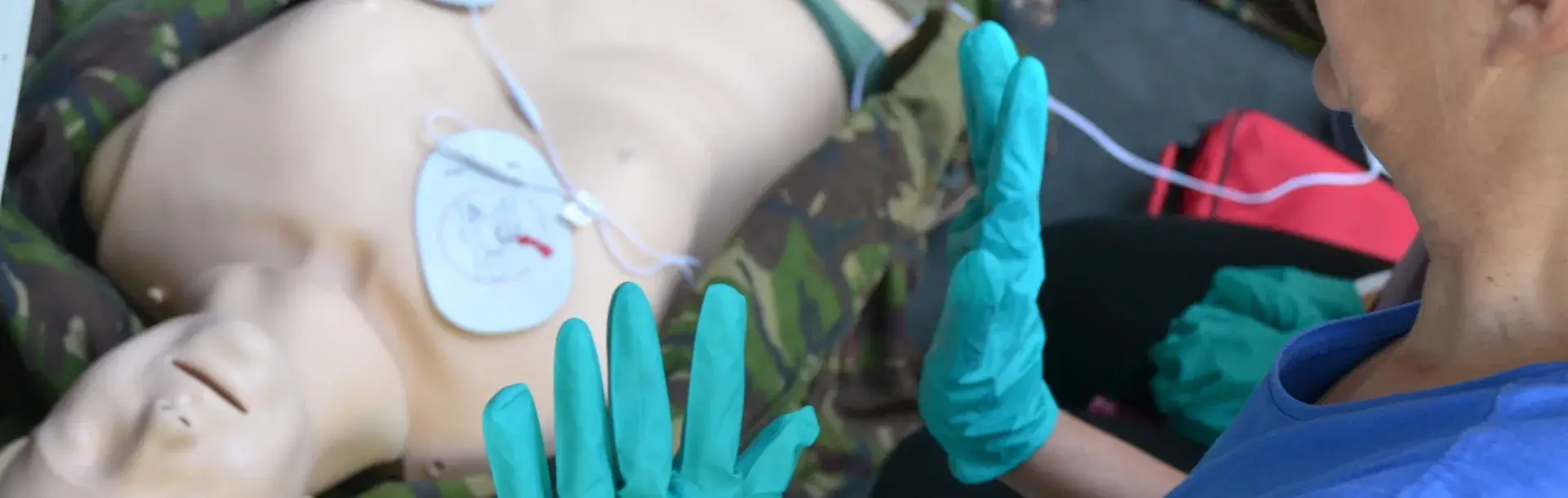
Essential Skills from a First Aid Course
First aid training is vital in any workplace, potentially making the difference between life and death. According to the HSA, 604,000 workers reported non-fatal injuries in 2023/2024, with construction recording the highest fatalities due to work-related accidents.
An Emergency First Aid at Work (EFAW) or First Aid at Work (FAW) course equips employees with essential skills to handle emergencies, from CPR to wound management. But where can you find a course, and what does it cost? This guide covers key skills, legal requirements, and course accessibility.
The Importance of First Aid at Work
First aid training goes beyond legal compliance—it creates a safer workplace. Trained first aiders ensure swift responses to accidents, reducing injury severity and saving lives. They also boost workplace morale and demonstrate an employer’s commitment to health and safety.
Key Skills Gained in a First Aid Course
A first aid course covers vital skills, preparing employees for various emergencies:
- CPR (Cardiopulmonary Resuscitation) – Crucial for cardiac emergencies.
- Managing Bleeding and Shock – Preventing complications.
- Treating Burns and Scalds – Minimising damage.
- Recognising and Handling Minor Illnesses – Ensuring appropriate response.
- Managing Fractures and Sprains – Providing stabilising care.
- Using an Automated External Defibrillator (AED) – Enhancing survival rates.
Beyond technical skills, first aid training instills confidence, ensuring individuals act decisively during crises.
Legal Requirements and Workplace Benefits
- Employers must comply with legal regulations concerning workplace safety. Having trained first aiders on-site is often a legal requirement.
- First aiders provide immediate response to incidents. This quick action can significantly reduce the severity of injuries.
- Moreover, trained first aiders boost workplace morale. Employees feel safer knowing that help is readily available.
- The presence of first aiders can also enhance a company’s reputation. It shows a commitment to employee health and safety.
Certification and Course Validity
- Completing a first aid course awards participants with a first aid certificate. This certification is essential for workplace compliance and individual credibility.
- First aid certificates are valid for three years. After this period, a refresher course would be needed to maintain certification.
- Staying current with first aid training ensures skills remain sharp and effective. Ongoing updates on guidelines and practices are crucial for all certified individuals.
Cost and Accessibility of First Aid Courses
Understanding the first aid course price is vital when planning training. Several factors affect pricing, including course length, location and instructor expertise.
At Pragmatic Consulting Ltd, we offer open scheduled courses for the L3 emergency first aid at work (EFAW) or first aid at work (FAW) courses at Stoneleigh Park, Warwickshire, CV8 2LG. We also travel around the UK delivering courses on client’s sites.
Investing in quality training delivered by us at Pragmatic Consulting Ltd ensures valuable skills and compliance with health and safety standards.
Conclusion: The Lifesaving Impact of First Aid Training
First aid training is an invaluable asset in any workplace. By equipping employees with emergency skills, the potential for life-saving actions increases significantly.
The presence of trained first aiders fosters a safer work environment. Quick responses can reduce injury severity and promote a culture of safety.
Every investment in first aid training offers returns. From heightened employee confidence to enhanced workplace morale, its benefits extend beyond immediate safety.
If you would like to know more about First Aid training offered by Pragmatic Consulting – get in touch today.
Find out more about First Aid Training Requirements in Construction: What You Really Need to Know.