

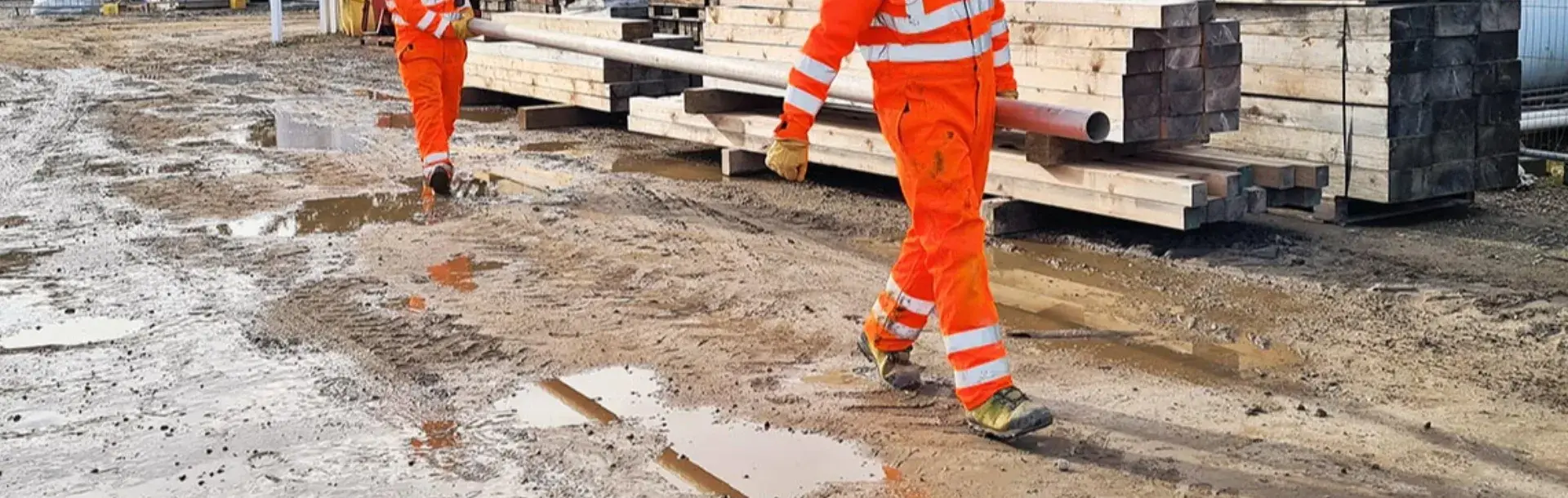
The Importance of Safety in Utilities & Construction
Safety is a cornerstone of success in the utilities and construction industries. These sectors are inherently high-risk, with workers regularly exposed to hazards such as falls, confined spaces, electrical dangers, and heavy machinery. Without proper training, accidents can have devastating consequences, affecting not only individuals but also businesses and the wider community.
The Reality of Workplace Hazards
Statistics paint a stark picture of the risks faced in these industries:
- According to the Health and Safety Executive (HSE), the construction sector consistently records the highest number of workplace fatalities in the UK, with 45 deaths reported in 2022/23.
- Falls from height remain the leading cause of fatalities, accounting for 31% of all deaths.
- The utilities sector also presents significant risks, particularly from electrocution, confined space incidents, and exposure to hazardous substances.
These statistics highlight the urgent need for robust safety measures, including comprehensive training programs that equip workers with the knowledge and skills to prevent accidents.
Why Safety Training is Essential
- Reducing Workplace Injuries and Fatalities
Proper training ensures that workers understand the hazards they face and how to mitigate them. From using personal protective equipment (PPE) correctly to understanding emergency procedures, training plays a vital role in keeping workers safe. - Ensuring Compliance with Regulations
The UK has strict health and safety laws, including the Health and Safety at Work Act 1974 and the Construction (Design and Management) Regulations 2015. Employers must provide adequate training to meet legal requirements and avoid costly fines or legal actions. - Boosting Productivity and Morale
A well-trained workforce is not only safer but also more efficient. Workers who feel secure in their roles are more confident, productive, and engaged, leading to better overall project outcomes. - Protecting Businesses from Financial Losses
Workplace accidents can result in significant financial losses due to compensation claims, project delays, and increased insurance premiums. Investing in safety training is a proactive way to minimize these risks.
How Pragmatic Consulting Supports Safety in High-Risk Industries
At Pragmatic Consulting, we specialise in delivering industry-leading safety training tailored to the utilities and construction sectors. Our accredited courses include:
- Confined Space Training – Educating workers on how to safely enter and exit confined spaces while managing risks like poor ventilation and hazardous gases.
- EUSR SHEA (Safety, Health & Environmental Awareness) Training – Providing sector-specific safety training to utilities workers, ensuring compliance with industry standards.
- NUCO First Aid at Work – Equipping workers with essential first-aid skills to respond effectively to workplace emergencies.
- NRSWA/Streetworks Training – Covering key areas such as excavation, reinstatement, and traffic management while minimising risks to the public and their teams.
Conclusion
Safety training is not just a legal requirement, it is a moral obligation to protect lives. By equipping workers with the right skills and knowledge, businesses in the utilities and construction industries can create safer work environments, reduce accident rates, and improve overall efficiency. Investing in safety today ensures a more secure future for everyone involved.
For more detailed information you might be interested in our blog – COSHH in construction: common failures and how to avoid them or Building a safer workplace – health and safety training.
If you’re looking for high-quality, accredited training, contact Pragmatic Consulting today on 01926 674340 or visit our website to learn more about our courses and how we can support your workforce in staying safe.