

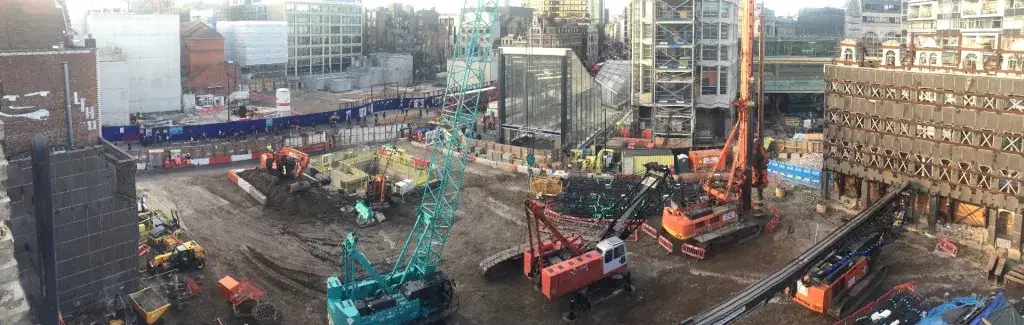
Reducing The Environmental Impact of Construction Sites
The construction industry has long been criticised for its negative environmental impact; from the waste it produces to the resources it depletes. Indeed, studies have shown the industry is behind nearly a quarter (23%) of all air pollution, half of all landfill waste and 40% of drinking water pollution.
Recent years have seen an increasing realisation that things need to change. The good news is that sustainable construction practices not only lessen ecological harm but can also save money and enhance projects’ overall quality.
Here are some ways in which you can make your construction scheme more sustainable:
Minimise Waste
If you reduce the waste your project produces, this will significantly lessen the impact it has on the planet. Essentially, you conserve valuable resources with efficient use of products, meaning fewer raw materials need to be extracted. In turn, there are fewer emissions, and less of the energy, associated with producing and transporting building materials.
Additionally there’s less stress on landfill, while methane emissions also come down. So plan your project carefully to reduce waste, while recycling and repurposing wherever you can.
Sustainable Site Practices and Transportation
Transport is one of the biggest factors behind greenhouse gas emissions. Get staff to cycle, walk or take public transport wherever possible. Equally, consider providing facilities for employees and visitors to charge their electric vehicles on-site. This should also improve staff satisfaction and productivity.
If this isn’t an option, carpooling and lift sharing is another way in which the impact of transport to and from site can be reduced.
Reporting and Monitoring
These are essential tools for mitigating the environmental impact of a building project, since they allow you to track water and energy use, waste generation and so on. Not only does this show how committed you are to sustainability, it highlights key areas where you can improve.
Water Management
This is another crucial way of lessening your impact. Collect and store rainwater where possible, and manage stormwater run-off well. At the same time, you’ll be taking some of the pressure off local water systems and ecosystems.
Sustainable Building Materials
This is vital if you want to minimise your scheme’s negative impact on the planet. Think about using things like recycled or reclaimed wood and metal, or low Volcanic Organic Compound (VOC) paints.
Wetland Delineation
Again, this is crucial. If you identify and map wetland areas on or near your building site, you can make the best decisions for designing and implementing your scheme. At the same time, you reduce harm to wetland habitats, wildlife and water quality. This also ensures compliance with environmental regulations and encourages sustainable practices which benefit local ecosystems while also bolstering your project’s public image.
Energy-efficient Design
Make energy-efficient design and construction techniques a priority from the outset. That could include, for example, solar design or energy-efficient windows. Look at how you can lessen the extent to which you rely on fossil fuels, thus reducing carbon emissions. Equally, consider the idea of a net-zero energy or carbon-neutral construction scheme.
How We Can Help?
At Pragmatic Consulting, we specialise in high-quality training for the construction and utility sectors. We run a day-long Construction Industry Training Board (CITB) Site Environmental Awareness Scheme (SEATS) course to provide a detailed understanding of on-site management, best practice and legal compliance.
This training is aimed at anyone who manages or supervises on a building site. And it leads to a widely recognised qualification, valid for five years. During the course, you will learn in more detail about the issues discussed above – and more. It’s also endorsed by BuildUK.
We also run EUSR SHEA Waste – this is offered as a closed course to groups of delegates. This one-day SHEA Waste scheme is designed for people involved in operations within the waste and resource management industry, both long term and temporary and has been developed for operatives, supervisors, and management.
You might also be interested in reading our blog: CITB SEATS vs IEMA and NEBOSH Environmental: Which Environmental Training Course Is Right for Construction and Utilities Professionals?