

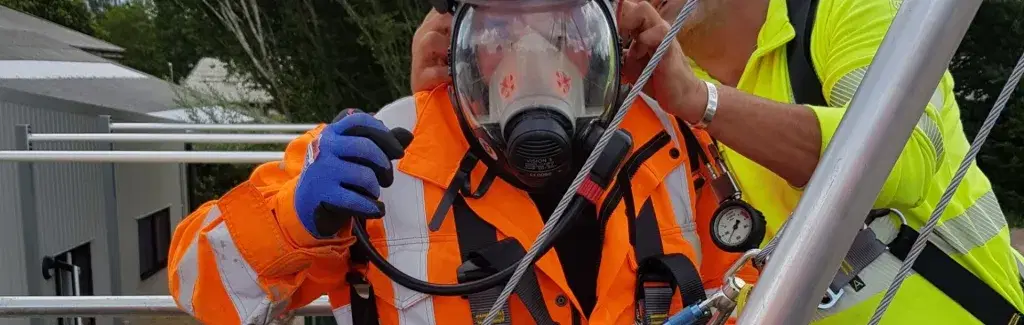
Confined Space Training in the UK: Regulations, Hazards and Why Competence Matters
Confined space working remains one of the highest-risk activities across UK construction, utilities, gas, water, food production and infrastructure environments.
Whether entering a sewer, a gas valve pit, a substation basement, a food production vessel or a farm slurry pit, confined spaces present serious hazards including toxic gases, oxygen deficiency, engulfment and explosion risks.
That’s why confined space training is not simply a compliance exercise; it is a critical part of protecting workers and ensuring legal compliance under the Confined Spaces Regulations 1997.
At Pragmatic Consulting, based at Stoneleigh Park, we deliver practical City & Guilds 6160 confined space training designed around real working environments, not just classroom theory.
And after years working within high-risk industries, one thing remains true:
Hope is not a safety strategy.
If your confined space approach relies on luck, experience alone, or “it’s always been done this way”, you are one step away from an incident.
What Is a Confined Space?
Under the Confined Spaces Regulations 1997, a confined space is defined as:
“A place that is substantially enclosed (though not always entirely) and where a reasonably foreseeable specified risk exists, such as serious injury from fire, explosion, gas, fumes, vapour, lack of oxygen, or entrapment by free-flowing solids or liquids.”
This is where many people get it wrong.
A confined space does not have to be underground, cramped, or difficult to stand in. A space becomes a confined space when it involves:
- Restricted access or exit
- Limited natural ventilation
- An enclosed or partially enclosed environment
- A space not intended for continuous occupation
- A foreseeable specified risk such as toxic gas, oxygen deficiency, fire or engulfment
If those conditions exist, confined space controls apply.
Common Examples of Confined Space Working in the UK
Confined spaces appear across multiple industries and sectors, including:
- Sewers, pumping stations and wet wells
- Trenches and excavations
- Silos, tanks, hoppers and vessels
- Gas valve pits and regulator stations
- Substation basements and cable tunnels
- Plant rooms, shafts and service voids
- Food production vessels and refrigeration areas
- Slurry pits and grain silos in agriculture
If access is restricted and the atmosphere can change rapidly, confined space working regulations are likely to apply.
Confined Space Statistics in the UK – The Reality
Confined spaces continue to cause fatalities across industry in the UK every year.
HSE incident data regularly highlights deaths caused by:
- Asphyxiation
- Toxic gas exposure
- Drowning or engulfment
- Fire and explosion
One of the most concerning trends is that many confined space fatalities involve attempted rescues.
Untrained workers instinctively try to help a colleague, only to become casualties themselves within seconds.
This is why confined space awareness alone is not enough when things go wrong.
Confined Space Hazards That Kill Workers
Many confined space hazards are invisible, fast acting and capable of overwhelming workers before they have time to react.
Common confined space hazards include:
Oxygen Deficiency or Enrichment
Low oxygen levels can quickly cause unconsciousness and death, while oxygen enrichment dramatically increases fire risk.
Toxic and Flammable Gases
Hydrogen sulphide, methane, carbon monoxide and ammonia may be present without warning signs.
Explosion Risks
Flammable atmospheres or dust build-up can ignite from a single spark.
Engulfment
Liquids or free-flowing solids such as grain or sand can trap and suffocate workers rapidly.
Biological Hazards
Sewers and stagnant environments may expose workers to bacteria, viruses and diseases such as Weil’s disease.
Electrical and Mechanical Hazards
Restricted environments increase the risks associated with live systems, moving machinery and poor isolation.
Heat Stress and Restricted Movement
High temperatures, poor ventilation and PPE can quickly lead to exhaustion or heat-related illness.
Most serious incidents involve multiple hazards at the same time.
Confined Space Regulations UK – Employer Responsibilities
The Confined Spaces Regulations 1997 place clear legal duties on employers and duty holders.
These include:
- Avoiding confined space entry where reasonably practicable
- Completing suitable and sufficient risk assessments
- Implementing effective control measures
- Providing emergency and rescue arrangements
- Ensuring workers are properly trained and competent
After an incident, the HSE will not accept explanations such as:
- “We didn’t realise it counted as a confined space”
- “It was only a quick task”
- “They had done it before without problems”
Compliance is not optional.
Confined Space Permit to Work Systems
High-risk confined space entry normally requires a Permit to Work (PTW) system.
A confined space permit acts as a formal verification that all necessary controls are physically in place before entry begins.
A confined space permit should confirm:
- Hazards have been identified and controlled
- Isolation procedures are complete
- Atmospheric testing has been carried out
- Rescue arrangements are in place
- Supervision responsibilities are clear
- Time limitations are defined
A permit should never become a paperwork exercise.
If conditions change, the job must stop.
Types of Confined Space Training
Confined space training should always reflect the level of risk involved in the workplace.
At Pragmatic Consulting, we deliver City & Guilds 6160 confined space training across multiple risk categories.
Low Risk Confined Space Training
Suitable for environments with minimal specified risk and straightforward access arrangements.
Medium Risk Confined Space Training
Designed for environments requiring escape breathing apparatus, gas monitoring and more advanced control measures.
High Risk Confined Space Training
For high-hazard confined spaces involving specialist entry procedures, breathing apparatus and emergency rescue arrangements.
Training should never be selected simply to obtain a certificate. The course level must match the actual workplace hazards and operational requirements.
Sector-Specific Confined Space Hazards
Water and Wastewater
Common hazards include:
- Methane build-up
- Hydrogen sulphide exposure
- Oxygen displacement
- Biological contamination
- Flooding risks
Wastewater environments can become lethal within seconds.
Gas Industry
Gas confined spaces often involve:
- Flammable atmospheres
- Poor ventilation
- Explosion risks
- Ignition hazards
- Oxygen displacement
Gas confined spaces leave very little margin for error.
Food Production
Typical risks include:
- Engulfment in silos
- Dust explosions
- CO₂ exposure
- Steam and chemical cleaning hazards
Many incidents occur during maintenance or cleaning activities.
Farming and Agriculture
Agricultural confined space hazards include:
- Slurry pit gases
- Grain engulfment
- Methane build-up
- Oxygen deficiency
Routine tasks can quickly become fatal without proper controls.
Substations and Utilities
Substation confined spaces may involve:
- Oxygen depletion
- Arc flash risks
- Toxic smoke
- CO₂ suppression systems
- Induced voltages
Electrical and atmospheric hazards often exist together.
Why Practical Confined Space Training Matters
This is why practical confined space training saves lives.
City & Guilds 6160 confined space training remains the recognised UK benchmark because it focuses on practical competence, not just theory.
Effective confined space training helps workers:
- Correctly classify confined spaces
- Use gas monitors properly
- Apply permit to work systems
- Understand emergency arrangements
- Use rescue equipment safely
- Recognise changing site conditions before incidents occur
At Pragmatic Consulting, we focus on real-world environments, realistic scenarios and practical decision-making; because confined space competence cannot be built through slide presentations alone.
This approach strongly aligns with many of the themes explored in our recent articles on:
- competence vs compliance
- training vs experience
- and Practical Training in Construction & Utilities: Why It Matters More Than Ever
Practical Confined Space Training for Construction & Utilities
At Pragmatic Consulting, we provide City & Guilds 6160 confined space training for organisations across construction, utilities, gas, water and infrastructure sectors.
Training can be delivered:
- at our Stoneleigh Park training centre
- on client sites (subject to the correct training environment be available)
- or for group bookings tailored to operational requirements.
Confined Space Working – The Bottom Line
After years in this industry, we continue to see two very different attitudes toward confined space safety:
- Training viewed as a cost
- Training viewed as protection against disaster
The HSE will not care which attitude existed after an incident occurs.
If your teams work within confined spaces across construction, utilities, gas, water, food production, substations or infrastructure environments, proper confined space training forms part of your legal and moral duty of care.
Because when it comes to confined spaces, competence matters long before something goes wrong.