

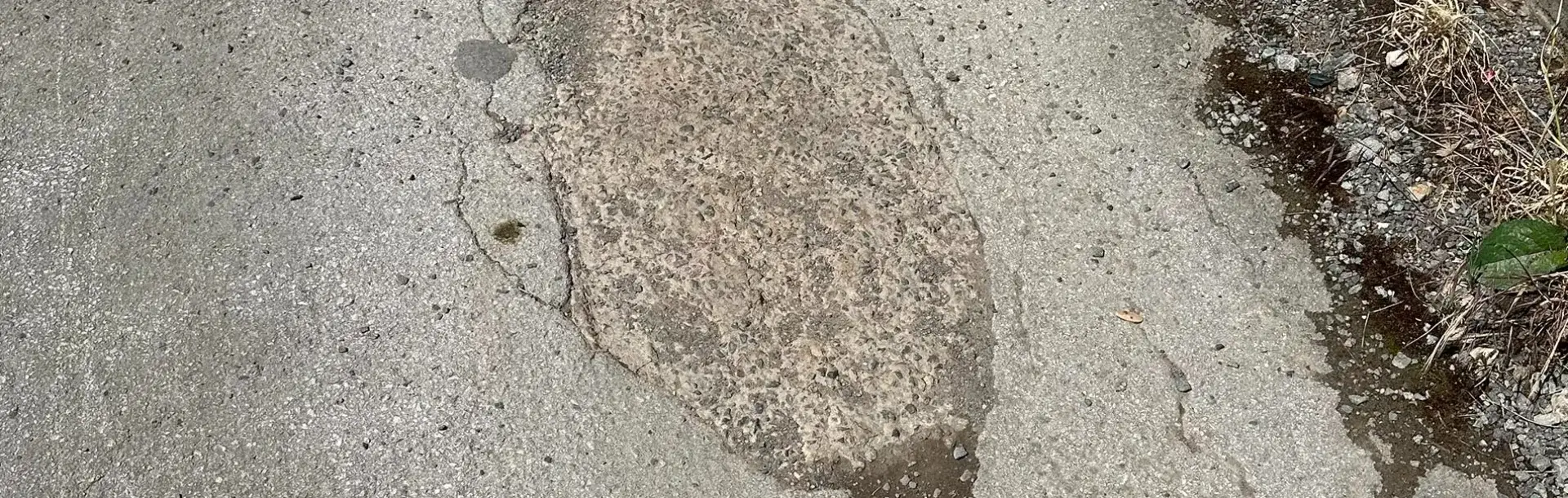
Can I Fill In a Pothole Myself? What You Need to Know
If you’re fed up with the condition of your local road, you might be wondering – can I just fill in that pothole myself? While it’s tempting to take matters into your own hands, DIY pothole repairs on public roads come with serious legal and safety risks.
Here’s what you need to know before grabbing a shovel.
Can I Legally Fill a Pothole in My Street?
In most cases, no; you can’t legally repair potholes on public roads or property. Here’s why:
- Legal Liability – If your repair causes injury or damage (e.g., a trip hazard or a vehicle crash), you could be held responsible.
- Ownership – Most roads are maintained by your Local Authority (LA). Altering them without permission is often illegal.
- Repair Standards – Councils use specific materials and follow technical standards. DIY repairs may fail or worsen the problem.
When Can I Fill in a Pothole?
There are a couple of exceptions:
1. Private Property
If the pothole is on your own driveway, private lane, or estate road, you’re generally free to repair it. Make sure to use appropriate materials and methods to avoid a recurring issue.
2. Community or Rural Roads
Some private or rural communities permit residents to maintain shared roads. You may be allowed to carry out basic repairs, but check with your homeowner’s association or land management group first.
What Should You Do About a Pothole?
Even if you can’t fix it yourself, you can take action:
- Report It to Your Local Authority (LA): Most councils have an online tool for logging potholes.
- Qualified Contractors: Local authorities employ trained, accredited operatives to carry out repairs, usually qualified under the New Roads & Street Works Act (NRSWA) 1991.
- Fixing Private Potholes: If on private land, it’s best to seek advice or consult with a professional. Poor-quality work could result in reoccurrence or even injury due to improper technique.
Final Word
While it’s understandable to be frustrated by potholes, attempting a DIY repair on a public road can create more problems than it solves. The safest, most effective route is to report the issue and let qualified contractors handle it.
If you are interested in Streetworks courses, find out more here.
Interested in doing Streetworks? Read our blog – How Do I Apply for an SWQR ID Card?