

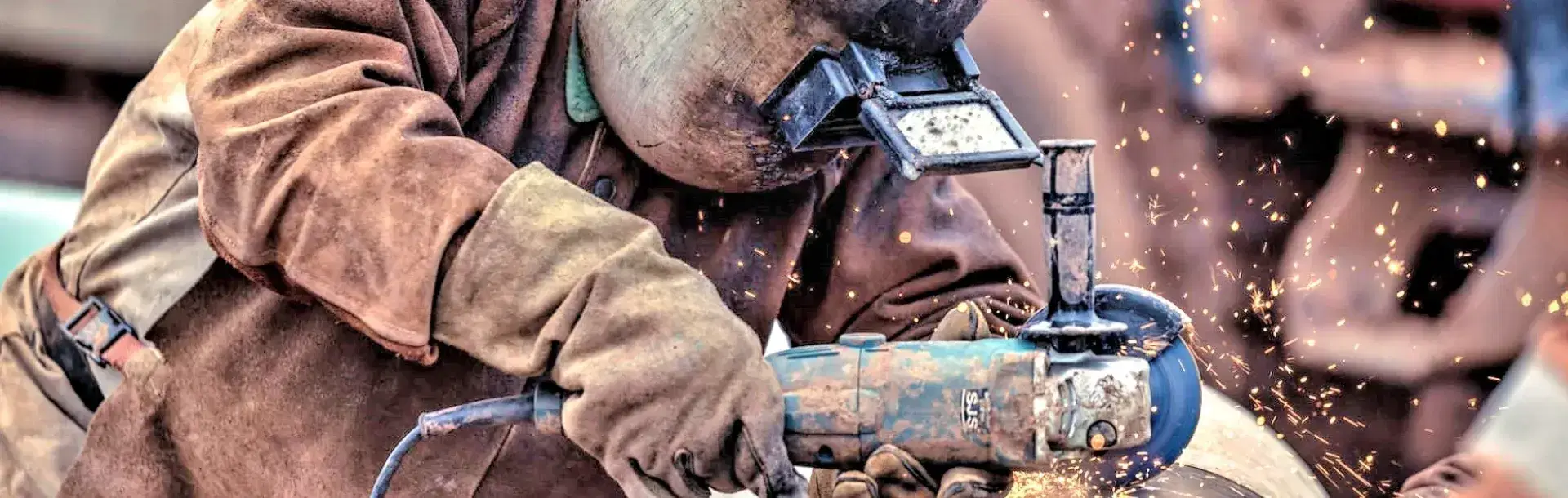
Abrasive Wheels in The Construction Industry – Safe Usage & Common Risks
Abrasive wheels are essential for many construction projects, making them a topic of interest for us at Pragmatic Consulting. In this guide, we will cover what these pieces of equipment are and share the details of what type of training can be undertaken to help professionals ensure they understand the safe use, fitting and maintenance of abrasive wheels and machinery in line with current legislation.
What Are Abrasive Wheels?
Abrasive wheels are robust pieces of equipment designed for use in various applications in the construction industry as well as manufacturing engineering and more. Their name comes from the fact that they are designed to break down or wear away surfaces through rapid abrasion. The particles are securely bonded together to ensure that even when used with the pressure of speed, no matter what, the wheels occur.
There are also a number of different types of abrasive wheels depending on what the functionality is. These include cutting off, organic, vitrified and wire brush wheels. All abrasive wheels also come in different sizes and are made from a variety of tough materials to offer the correct experience depending on their intended purpose.
What Types of Machinery Are Abrasive Wheels Used With?
Abrasive wheels are commonly used with various types of machinery intended to be used in metal and woodworking. These most popular examples are angle grinders, bench grinders, chop saws, circular saws, and pedestal grinders. When used in construction applications, tasks such as cutting, grinding, and polishing can occur. The equipment tools are designed to be used in different ways and with varying speeds to tailor the result.
When used correctly, abrasive wheels offer an efficient way to achieve quick results with a professional finish.
Is Training for Abrasive Wheels Important?
Training to use abrasive wheels is essential for a number of reasons which we have outlined below:
- Only correctly manufactured abrasive wheels must be used, which can be easy to notice for someone who is fully trained. All wheels must include markings that indicate their professional and safety-approved manufacturing process. This includes information such as an expiration date, code number, trademark, and speed strip.
- Abrasive wheels can be dangerous pieces of equipment when not used in the right way. Furthermore, training must also be regularly updated in line with the latest health and safety laws; otherwise, compliance with regulations and insurance is likely to be outdated.
- Training also covers selecting the right wheel for the job, inspecting wheels for damage, and maintaining equipment. These are all vital safety criteria to consider.
Most accidents involving abrasive wheel machinery is caused by unsafe systems of work or operator error. Abrasive Wheels training helps to minimise these risks and ensure machinery is used in a way that minimises the chance of injury.
What are the most common risks when using abrasive wheels in the construction industry?
As stated above, using abrasive wheels in the construction industry can pose various risks that need to be managed carefully to ensure the safety of users and workers. Some of the most common risks associated with abrasive wheels include:
Wheel breakage: Abrasive wheels can break during use which can lead to flying debris – something that can cause serious injury. Things that can increase the risk of wheel breaking include over-speeding, incorrect mounting, or damaged wheels.
Incorrect mounting: Ensuring that wheels are correctly mounted to machinery is essential for safe use of abrasive wheels. Improperly mounted equipment can lead to equipment failure and injury.
Over-speeding: Exceeding the maximum recommended rotational speed of the abrasive wheel can lead to overheating and potential breakage. Abrasive wheels over 80mm in diameter are marked with maximum operating speeds.
Incorrect selection of abrasive wheel: Using the wrong type of abrasive wheel for the required task can result in inefficiency, additional wear, and other potential hazards.
Poor training and supervision: Inadequate training of workers on the proper use of abrasive wheels and lack of supervision contribute to accidents. This is why it’s important to ensure that operatives receive the proper training from a competent provider.
Lack of personal protective equipment (PPE): Failing to wear the proper protective equipment is one of the most common risks for operatives of abrasive wheels. Safety goggles, gloves, and hearing protection can protect from flying debris, dust, or noise generated during abrasive wheel operations.
Inadequate guarding: Lack of proper machine guarding can result in accidental contact with rotating abrasive wheels. Guards should be in place to protect operators from the wheel’s point of operation in line with the manufacturer’s recommendations.
What Abrasive Wheels Training Course Is Available?
We understand how essential professional training for abrasive wheels is, and hopefully, now you do as well. To ensure that teams are armed with essential knowledge, we recommend the EUSR Endorsed Abrasive Wheels Training, which covers mounting and practical use of equipment in line with current legislation.
This one-day training session offers a maximum of six delegates a chance to receive detailed training on using abrasive wheels. It also covers identifying hazards, handling methods, marking symbols, inspection processes, and many other topics that are all vital to the safe usage of these tools. The course combines practical, oral, and written processes to cater to various learning styles.