
Email: support@pragmatic-consulting.co.uk
Tel: 01926 674340
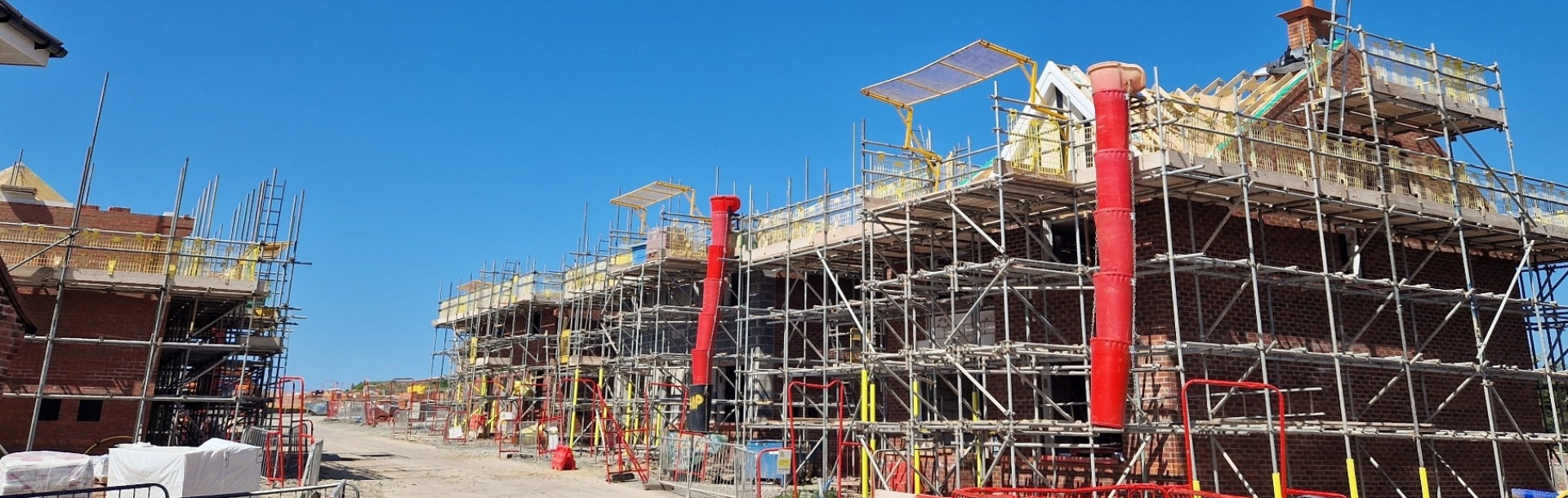
What Does a Construction Site Supervisor Do? Roles, Responsibilities & Career Pathways in 2026
Across construction and utilities, the role of the Site Supervisor has become increasingly important. As projects grow more complex and safety expectations continue to evolve, supervisors are no longer simply experienced operatives — they are a critical link between planning, safety and delivery on site.
For many organisations, strong supervision is now one of the biggest factors influencing productivity, safety performance and workforce competence.
But what does a construction Site Supervisor actually do, and why is the role becoming more significant in 2026 and beyond?
The Modern Role of a Site Supervisor
A Site Supervisor sits between the workforce and site management, ensuring daily activities are carried out safely, efficiently and in line with project requirements.
While responsibilities vary depending on project size and sector, supervisors typically oversee operational activity rather than overall project management.
Common responsibilities include:
- Coordinating day-to-day site tasks
- Monitoring safe working practices
- Delivering briefings and toolbox talks
- Supporting risk assessments and method statements
- Ensuring operatives understand site rules and procedures
- Acting as a communication bridge between teams and management
In construction and utilities environments — where multiple contractors often work simultaneously — this coordination role has become essential.
Why the Role Is Changing
The expectations placed on supervisors today are very different from even five years ago. Several industry trends are driving this shift:
Increasing Regulation and Accountability
Projects now require clearer evidence that safety systems are actively implemented, not just documented. Supervisors play a key role in ensuring procedures translate into real behaviour on site.
More Complex Working Environments
Live utilities, public interfaces and infrastructure upgrades introduce higher risks. Supervisors are often the first to identify emerging hazards.
Digital Site Management
Mobile reporting tools, digital permits and real-time compliance systems mean supervisors must increasingly manage information as well as people.
Workforce Skills Gaps
As explored in our article on the Construction & Utilities Skills Gap, experienced supervisors are essential for supporting newer entrants into the industry.
Skills Modern Site Supervisors Need in 2026
Technical experience remains important, but successful supervisors now rely on a broader skill set.
Key competencies include:
- Clear communication and leadership
- Practical risk awareness
- Understanding legal safety responsibilities
- Problem-solving under pressure
- Organisation and documentation skills
- Confidence managing mixed-experience teams
Supervisors are often responsible for setting the tone of site safety culture — influencing how procedures are followed in practice.
Who Typically Becomes a Site Supervisor?
One reason this role attracts significant search interest is that there is no single entry route. Supervisors often progress from a variety of backgrounds.
Common pathways include:
- Experienced groundworkers or plant operatives stepping into leadership roles
- Utilities operatives leading small field teams
- Skilled tradespeople coordinating subcontractors
- Temporary Works Supervisors expanding responsibilities
- Engineers or technicians moving into operational site coordination
In many cases, individuals transition into supervision gradually as their experience and responsibility increase.
Challenges New Supervisors Often Face
Moving into supervision can be rewarding, but it also introduces new pressures.
Common challenges include:
- Managing former peers or colleagues
- Understanding legal responsibilities for safety
- Balancing productivity targets with safe working practices
- Handling documentation and reporting requirements
- Communicating expectations clearly across teams
Without structured preparation, these challenges can feel overwhelming — which is why formal supervisory training has become increasingly important across the industry.
Why Structured Training Supports Effective Supervision
Experience alone does not always prepare someone for the responsibilities of supervising others.
Structured training helps supervisors understand:
- Health and safety legislation and duties
- Risk management principles
- Effective communication and leadership techniques
- Incident prevention strategies
- How to implement safety systems consistently
Industry-recognised supervisory programmes provide a shared framework that helps supervisors apply their experience more confidently and consistently on site.
This aligns closely with the industry’s growing focus on competence, explored further in our article Competence vs Compliance in Construction, where organisations are increasingly expected to demonstrate how capability is developed — not just assumed.
Career Progression Beyond Site Supervision
For many professionals, supervision represents a key step in long-term career development.
Typical progression pathways include:
Operative → Site Supervisor → Site Manager → Project or Operational Leadership
As highlighted in The Future of Construction & Utilities Work, emerging roles increasingly require leadership skills combined with technical and safety awareness — making supervisory experience highly valuable.
Why Strong Supervision Matters More Than Ever
Effective Site Supervisors help organisations:
- Reduce incidents and rework
- Improve communication across teams
- Maintain consistent safety standards
- Support workforce development
- Deliver projects more efficiently
In an industry facing ongoing skills shortages and increasing regulatory scrutiny, capable supervisors are becoming one of the most valuable assets on any project.
Looking Ahead
Construction and utilities projects continue to evolve, bringing new technologies, tighter compliance expectations and changing workforce dynamics. The Site Supervisor role is evolving alongside them — becoming less about seniority and more about competence, communication and leadership.
For individuals considering progression and employers planning workforce development, investing in supervisory capability is no longer optional. It is a practical step toward safer, more resilient project delivery.
Interested in the CITB Site Safety Supervisor Training Scheme, find out more here.
Registered Office:
Unit 78, Avenue Q
Stoneleigh Park
Kenilworth
Warwickshire
CV8 2LG
Registered company number: 08612308


© 2014 - 2026 Pragmatic Consulting Ltd. All rights reserved.
Home | Privacy Policy | Cookies | Site map | Admin