
Email: support@pragmatic-consulting.co.uk
Tel: 01926 674340
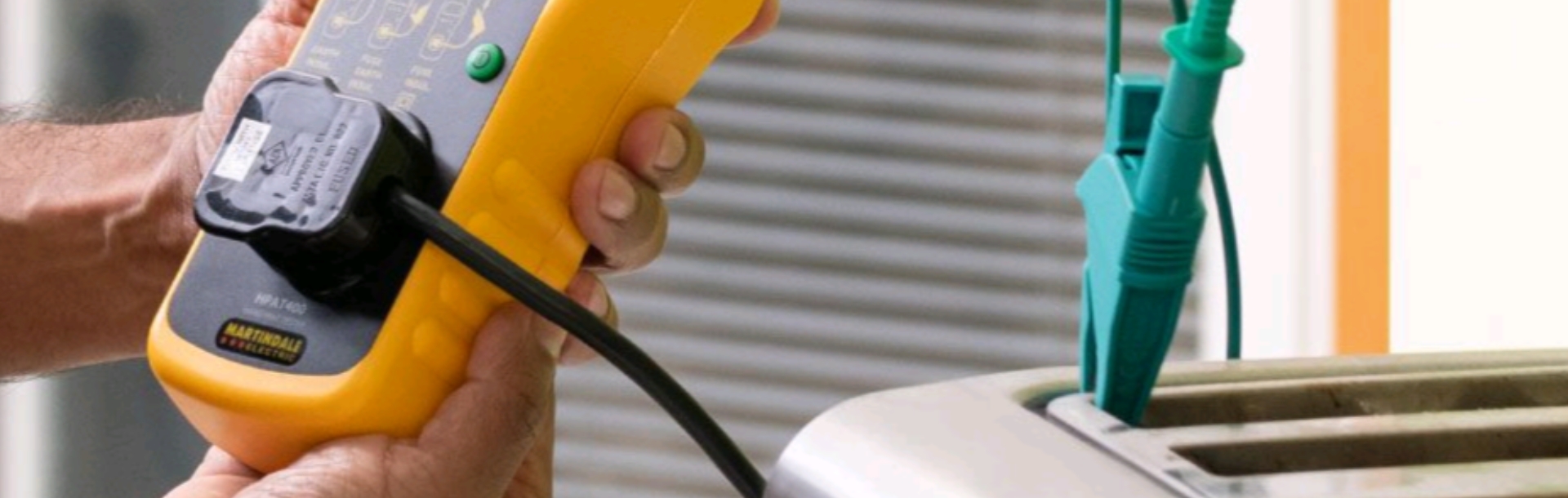
Risk Assessments and In-service Inspection and Testing of Electrical Equipment (ISITEE, incorporating PAT Testing): Why They Matter for Workplace Safety
When it comes to workplace safety and compliance in the UK, two essential processes stand out: Risk Assessments and In-service Inspection and Testing of Electrical Equipment (ISITEE), commonly known as PAT Testing.
While they serve different purposes, together they form a critical foundation for protecting employees, contractors, and visitors from harm.
At Pragmatic Consulting Ltd, we deliver practical, compliant, and easy-to-implement safety solutions, including professional risk assessments and City & Guilds 2377-certified PAT testing training.
Why Risk Assessments Are Essential
A risk assessment is a structured process used to identify hazards, evaluate risks, and implement control measures to reduce potential harm.
Under the Management of Health and Safety at Work Regulations 1999, all UK employers are legally required to carry out risk assessments—regardless of business size.
Key Steps in a Risk Assessment
- Identify hazards – What could cause harm?
- Evaluate risks – How likely and severe is the risk?
- Implement controls – What can be done to reduce the risk?
- Review regularly – Keep assessments up to date
At Pragmatic Consulting Ltd, we tailor risk assessments to your specific environment—whether that’s an office, construction site, workshop, school, or industrial setting—ensuring they are not just compliant, but genuinely useful.
When Do You Need a Risk Assessment?
Risk assessments should be carried out before introducing electrical inspection regimes and reviewed whenever circumstances change.
Common triggers include:
- Introducing new equipment or processes
- Moving equipment to a different environment (e.g. office to construction site)
- After repairs, faults, or incidents
- Following environmental damage (e.g. fire or water exposure)
Why Risk Assessments Are Critical for PAT Testing - In-service Inspection and Testing of Electrical Equipment (ISITEE)
Risk assessments act as the decision-making foundation for effective PAT testing programmes.
1. Legal Compliance
While In-service Inspection and Testing of Electrical Equipment (ISITEE), similar to its PAT testing predecessor itself is not a legal requirement, the Electricity at Work Regulations 1989 require all electrical systems to be maintained safely. A risk assessment provides evidence of compliance and due diligence.
2. Determining Testing Frequency
Not all equipment requires annual testing. A proper risk assessment considers:
- Equipment type (Class I, II, III)
- Frequency of use
- Working environment
This ensures efficient and proportionate testing schedules.
3. Identifying Hidden Hazards
Risk assessments can uncover risks that testing alone may miss, such as:
- Overloaded sockets
- Damaged or trailing cables
- Unsafe environmental conditions (dust, moisture, heat)
4. Improving Efficiency
Avoid unnecessary testing of low-risk equipment while ensuring high-risk tools are checked more frequently.
Appliance Classes Explained
|
Class |
Description |
Key Features |
Typical Examples |
PAT Testing Requirements |
|
Class I |
Appliances relying on basic insulation and requiring an earth connection for safety. |
• Metal or conductive casing |
Kettles, toasters, irons, desktop PCs, microwaves |
Earth continuity test, insulation resistance test (or leakage), visual inspection |
|
Class II (Double Insulated) |
Designed with two layers of insulation; no earth connection required. |
• Usually plastic casing |
Phone chargers, TVs, power tools, kitchen appliances |
Insulation resistance test (or leakage), visual inspection |
|
Class III |
Operates at Extra Low Voltage (ELV), typically below 50V AC. Safety is achieved through reduced voltage. |
• Powered by transformer or battery |
ELV lighting, handheld devices, laptop power supplies (ELV side) |
Visual inspection only (transformer/charger may require Class I or II testing) |
|
Faulty / Unknown Class |
Appliances where the classification cannot be identified. |
• Missing labels |
Older equipment, incomplete or modified items |
Test with caution; may require specialist assessment |
Why qualifications matter
At Pragmatic Consulting Ltd, our trainers and assessors are City & Guilds 2377 qualified, the recognised UK standard for PAT testing competence.
This ensures:
- Accurate and compliant testing
- Correct identification of appliance types
- Reliable record-keeping
- Alignment with current regulations and best practices
How Risk Assessments and Testing Work Together
Risk assessments and testing are most effective when used together as part of a comprehensive safety management system.
For example:
A risk assessment identifies that portable tools are used in a dusty workshop environment.
Testing then ensures each tool is electrically safe and suitable for continued use.
Together, they help to:
- Reduce electrical accidents and fire risks
- Prevent equipment failure and downtime
- Ensure ongoing legal compliance
Why Choose Pragmatic Consulting Ltd?
We focus on delivering practical, no-nonsense health and safety solutions tailored to your business.
Our services include:
- City & Guilds 2377 certified training
- Clear, jargon-free training sessions
- Friendly and knowledgeable support and ongoing guidance
We help you stay compliant, protect your workforce, and keep your operations running smoothly.
Registered Office:
Unit 78, Avenue Q
Stoneleigh Park
Kenilworth
Warwickshire
CV8 2LG
Registered company number: 08612308


© 2014 - 2026 Pragmatic Consulting Ltd. All rights reserved.
Home | Privacy Policy | Cookies | Site map | Admin