
Email: support@pragmatic-consulting.co.uk
Tel: 01926 674340
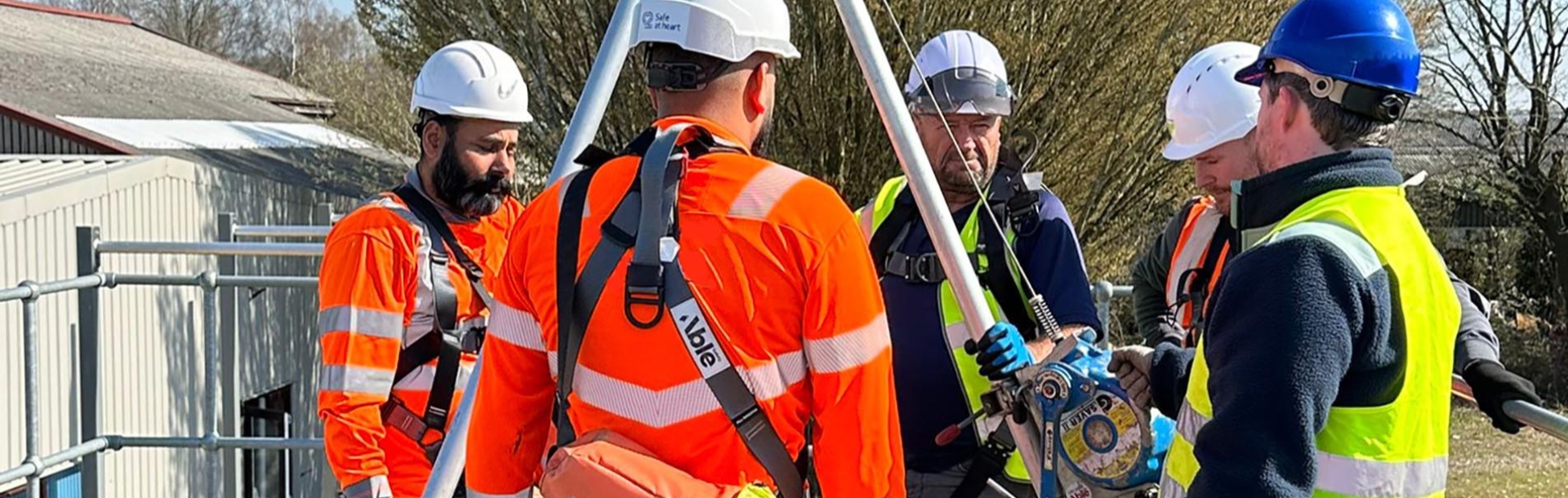
Practical Training in Construction & Utilities: Why It Matters More Than Ever
Let’s be honest — in construction and utilities, training can sometimes feel like just another box to tick.
With so many mandatory requirements, it’s easy to end up sitting through sessions where the trainer reads from a slide deck while everyone watches the clock.
But the reality is, training should do more than meet a requirement — it should actually prepare people for the job they’re doing.
That’s where practical training in construction and utilities makes the difference.
Moving Beyond “Tick-Box” Training
The industry is changing.
There’s a growing focus on competence, not just certification — something we explored further in our recent blog on: The Power of Being Pragmatic.
Employers are starting to ask better questions:
- Does this training actually improve performance on site?
- Can operatives apply what they’ve learned in real situations?
- Will it help prevent incidents — not just document them?
This shift is pushing training providers to deliver something more meaningful.
What Practical Training Really Looks Like
At Pragmatic Consulting, we’ve built our approach around one simple idea:
Training should work in the real world, not just in the classroom.
That means focusing on:
Industry Experience That Adds Value
Our trainers aren’t just delivering content; they’ve worked in the environments they’re teaching.
From utilities infrastructure to high-risk construction sites, they understand the pressures, the risks and the decisions people face daily.
Training That Can Be Applied Immediately
Whether it’s CITB Site Safety Plus, utility qualifications or technical programmes, everything is designed to be used straight away.
No unnecessary theory — just relevant, practical knowledge.
Specialist Training for High-Risk Environments
In sectors like construction and utilities, some roles carry significant risk.
Training in areas such as confined spaces, electrical safety and infrastructure work needs to go beyond the basics — providing hands-on, realistic preparation.
Building Culture, Not Just Compliance
Compliance matters — but it’s only part of the picture.
Effective training also helps build:
- Stronger safety culture
- Better decision-making on site
- More confident supervisors and operatives
This is what turns training into long-term value.
Making Training Stick
One of the biggest challenges in workforce training is retention.
If people forget what they’ve learned as soon as they leave the room, the training hasn’t worked.
That’s why sessions need to be engaging, interactive and grounded in real scenarios; so the knowledge actually stays with them.
Why This Approach Matters
In today’s environment, the difference between compliance and competence is becoming more visible.
Organisations that invest in practical, relevant training are seeing the benefits:
- Fewer incidents and near misses
- More consistent standards across teams
- Improved productivity on site
- Better audit outcomes
Most importantly, it helps ensure that people go home safe at the end of the day.
A More Pragmatic Approach to Training
At the end of the day, training shouldn’t be complicated — it should be effective.
If you’re looking for a more practical approach to training in construction and utilities, it’s worth asking whether your current provision is delivering real value or just meeting minimum requirements.
At Pragmatic Consulting, we focus on delivering training that works; whether that’s standard courses or tailored programmes designed around your team and your projects.
Final Thoughts
The industry is moving away from “tick-box” training — and rightly so.
Practical, relevant training is what supports safer sites, stronger teams and better project outcomes.
The question is no longer “Have they done the course?”
It’s “Can they do the job safely and effectively?”
Registered Office:
Unit 78, Avenue Q
Stoneleigh Park
Kenilworth
Warwickshire
CV8 2LG
Registered company number: 08612308


© 2014 - 2026 Pragmatic Consulting Ltd. All rights reserved.
Home | Privacy Policy | Cookies | Site map | Admin