
Email: support@pragmatic-consulting.co.uk
Tel: 01926 674340
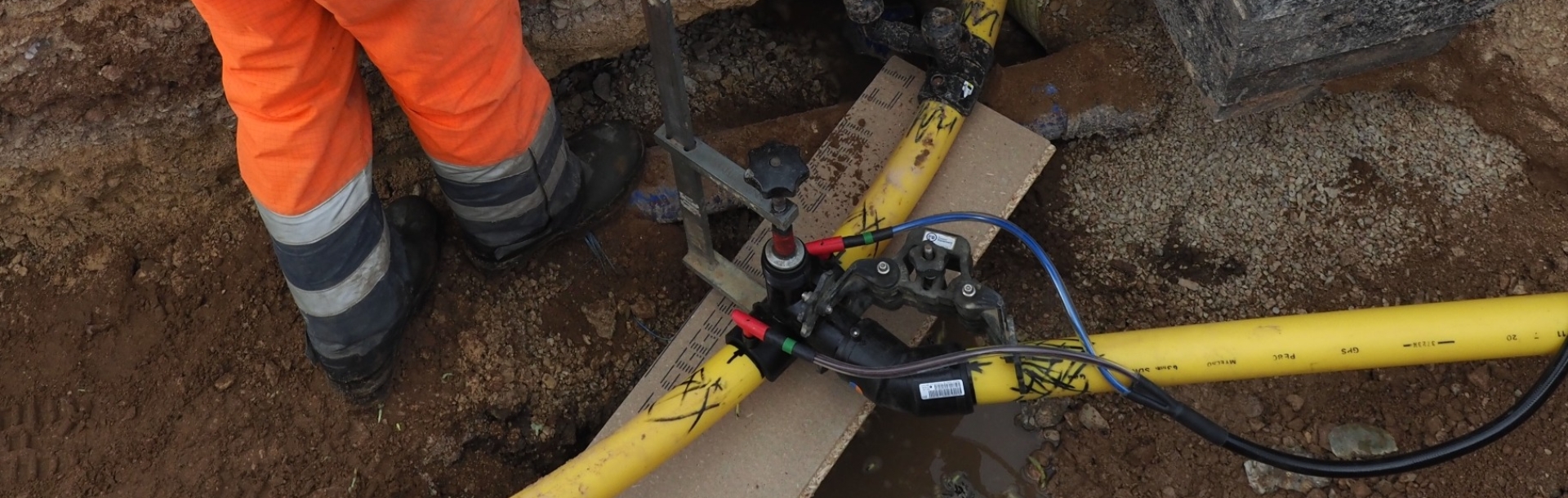
GIRS Gas Training Requirements
What UIPs (Utility Infrastructure Providers) Need to Know to Stay Compliant
We’re often asked:
What’s the actual difference between a Gas Distribution Network (GDN) and a GIRS-approved contractor?
And more importantly - what does that mean for your training requirements on site?
If you’re working on gas infrastructure projects, understanding how GDNs, GIRS accreditation and training all fit together is essential.
GDN vs GIRS: What’s the Difference?
In simple terms:
- Gas Distribution Networks (GDNs) are the asset owners - companies like Cadent, SGN, Northern Gas Networks, and Wales & West. They own and manage the gas network, maintain pressure, and respond to faults.
- GIRS (Gas Industry Registration Scheme) is the approval system for contractors. Managed by LRQA, it ensures that Gas Utility Infrastructure Providers (UIPs) are competent to design and install gas infrastructure safely.
Think of it like this:
- The GDN is the landlord
- GIRS is the passport that allows you to build on their network
If you want to install new gas infrastructure that will eventually be adopted by a GDN, GIRS accreditation is essential.
Why GIRS Training Requirements Matter
GIRS isn’t just about technical ability; it’s about proving that your team is trained, competent and working to recognised industry standards.
This is where training becomes critical.
It’s one thing to excavate safely.
It’s another to install gas infrastructure that must perform reliably for decades; under strict legal and safety controls.
Core GIRS Gas Training Requirements
If you’re building a team for gas utility projects, there are several key training areas to consider.
1. SHEA Gas – The Safety Passport
Before anyone starts work, they need a recognised safety qualification.
The SHEA Gas (EUSR) scheme provides essential knowledge of gas-specific hazards, including working near live services and network risks.
A standard construction card alone is not enough in this environment.
2. SCO Training – Legal Control of Gas Operations
Safe Control of Operations (SCO) is a legal requirement for working on or near live gas systems.
Without it, operatives are not permitted to carry out certain activities.
For live connections, you will need an SCO Competent Person (CP) in place — this is a key requirement for GIRS compliance.
3. Gas Jointing Skills (EF & BF)
Jointing is a specialist skill that directly impacts safety and performance.
- Electrofusion (EF) requires precision and preparation
- Butt Fusion (BF) is typically used on larger diameter pipes
If joints are not completed correctly, failures can occur; and this will be picked up during GIRS audits.
4. Gas Monitoring & Safety Awareness
EUSR Endorsed Gas Detection and Personal Gas Monitor Training isn’t just about carrying equipment; it’s about understanding:
- Lower Explosive Limits (LEL)
- Safe working thresholds
- How to respond to readings in real time
This knowledge is critical in preventing incidents.
5. Safe Excavation & Emergency Response
Supporting training is equally important, including:
- EUSR Category 1 / HSG47 (Avoiding Underground Services)
- Emergency First Aid
In gas environments, quick and informed action can make a significant difference.
The Reality of a GIRS Audit
When an auditor arrives on site, they’re not just looking at the work; they’re looking at the full picture.
That includes:
- Evidence of training and competence
- Valid SHEA Gas registrations
- SCO permits and documentation
- Equipment checks (e.g. gas monitor calibration)
- Quality of jointing work
It’s about having a joined-up approach where training, paperwork and on-site practice all align.
Where Projects Often Fall Short
At Pragmatic Consulting, we’ve seen projects delayed not because of poor workmanship, but because of gaps in compliance.
Common issues include:
- Expired or missing SCO registrations
- Out-of-date SHEA Gas cards
- Incomplete training records
These are small oversights that can have a big impact when it comes to audits and project timelines.
Is Your Training Matrix Ready?
If you’re working towards or maintaining GIRS accreditation, now is the time to review your team’s training.
Ask yourself:
- Are all certifications valid and up to date?
- Do you have the right mix of skills across your team?
- Are you prepared for your next audit?
Taking a proactive approach can prevent delays and keep projects moving.
Supporting Your GIRS Training Requirements
At Pragmatic Consulting, we support gas and utilities contractors with the training needed to meet GIRS requirements — from SHEA Gas and SCO through to specialist and refresher courses.
If you’ve got an upcoming project or audit, it may be worth reviewing your current training status to ensure everything is in place
Registered Office:
Unit 78, Avenue Q
Stoneleigh Park
Kenilworth
Warwickshire
CV8 2LG
Registered company number: 08612308


© 2014 - 2026 Pragmatic Consulting Ltd. All rights reserved.
Home | Privacy Policy | Cookies | Site map | Admin